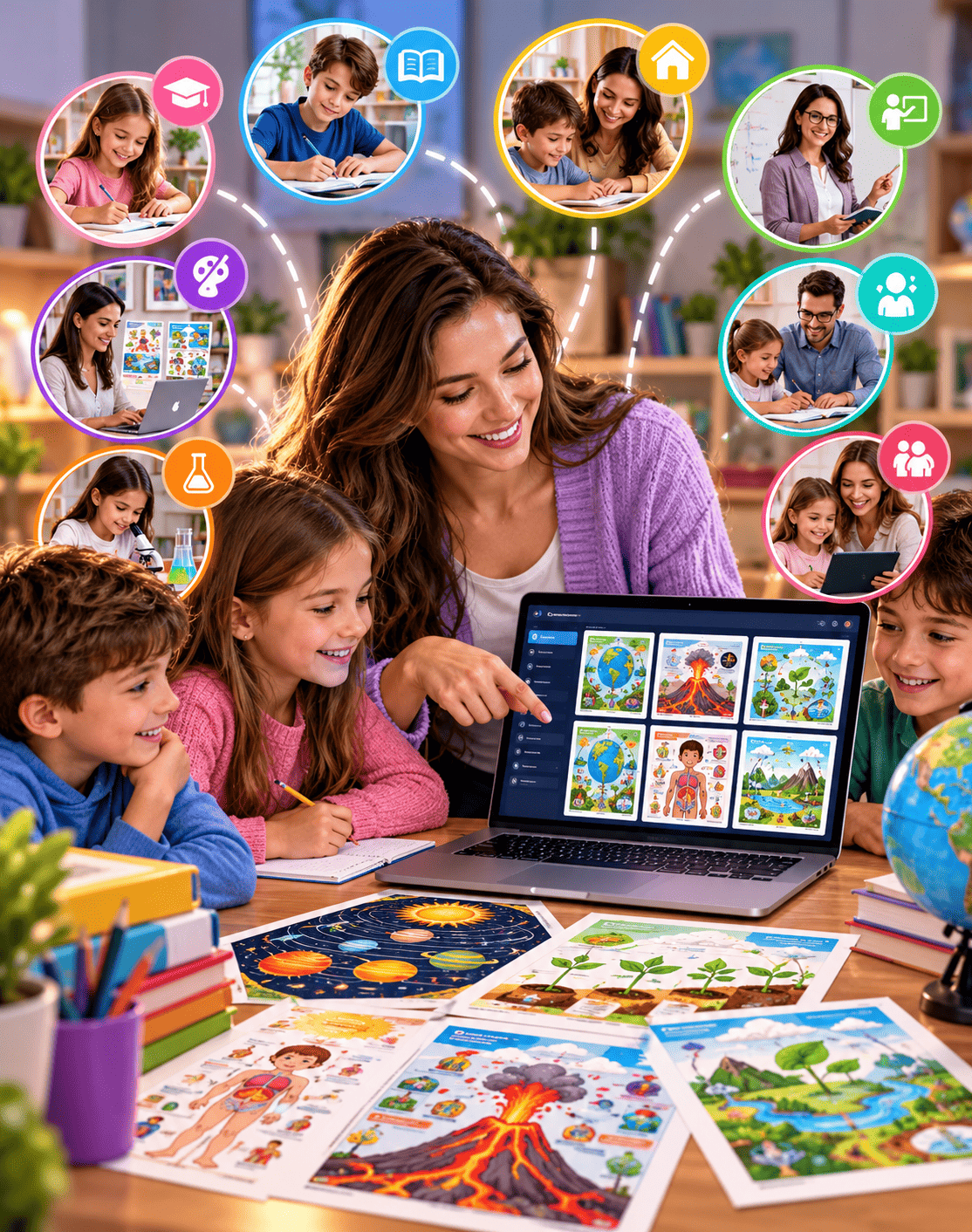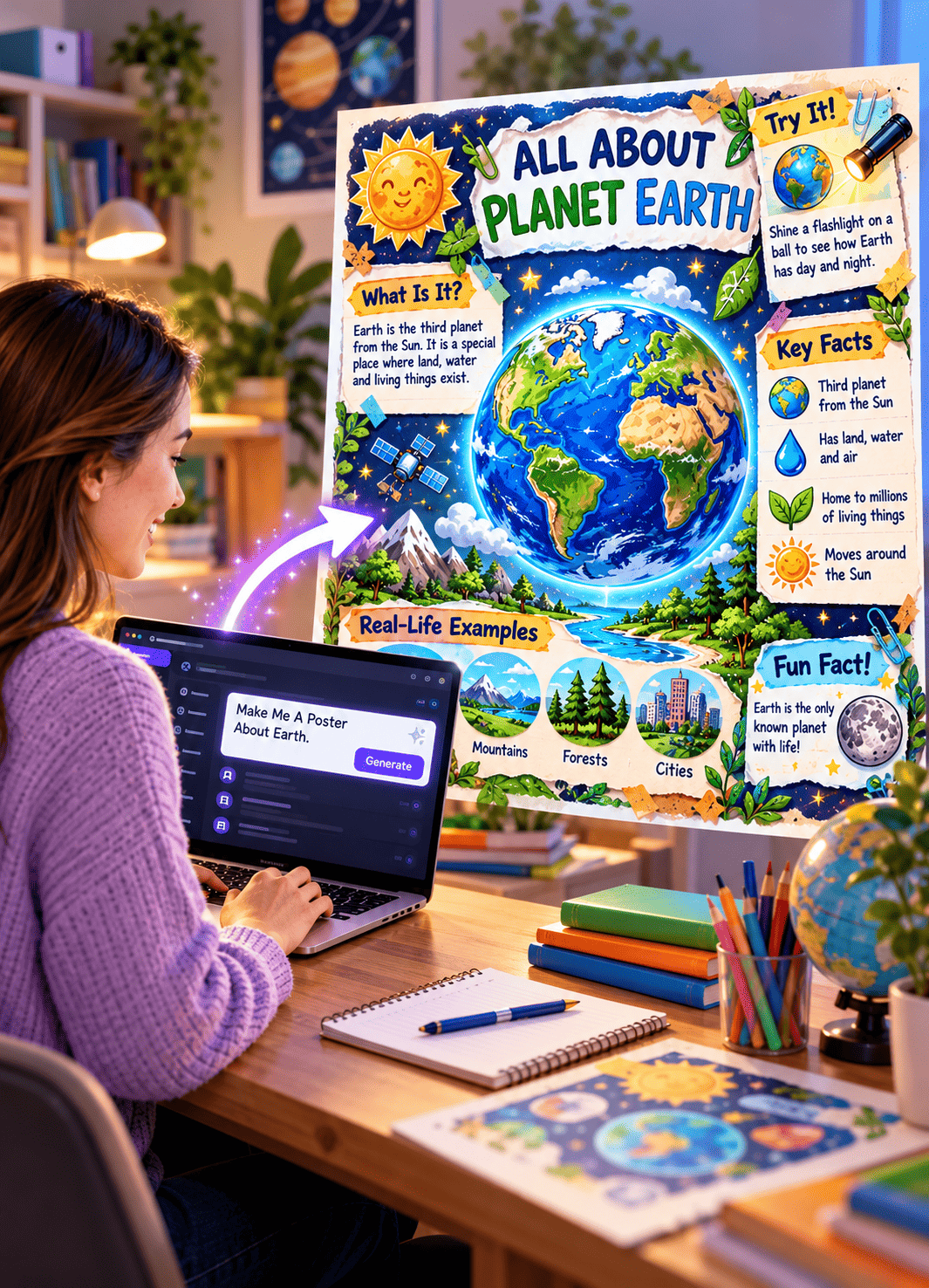
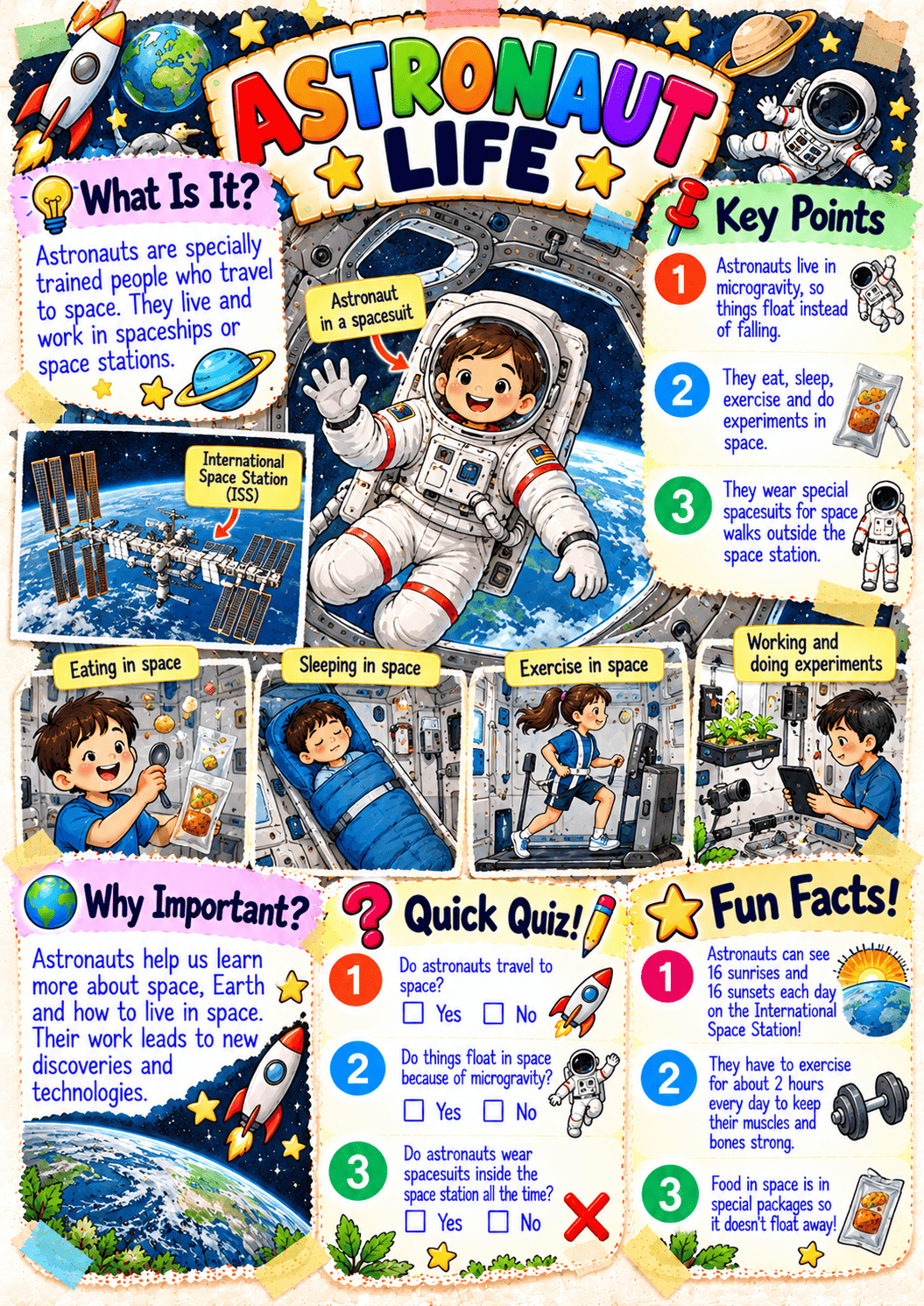
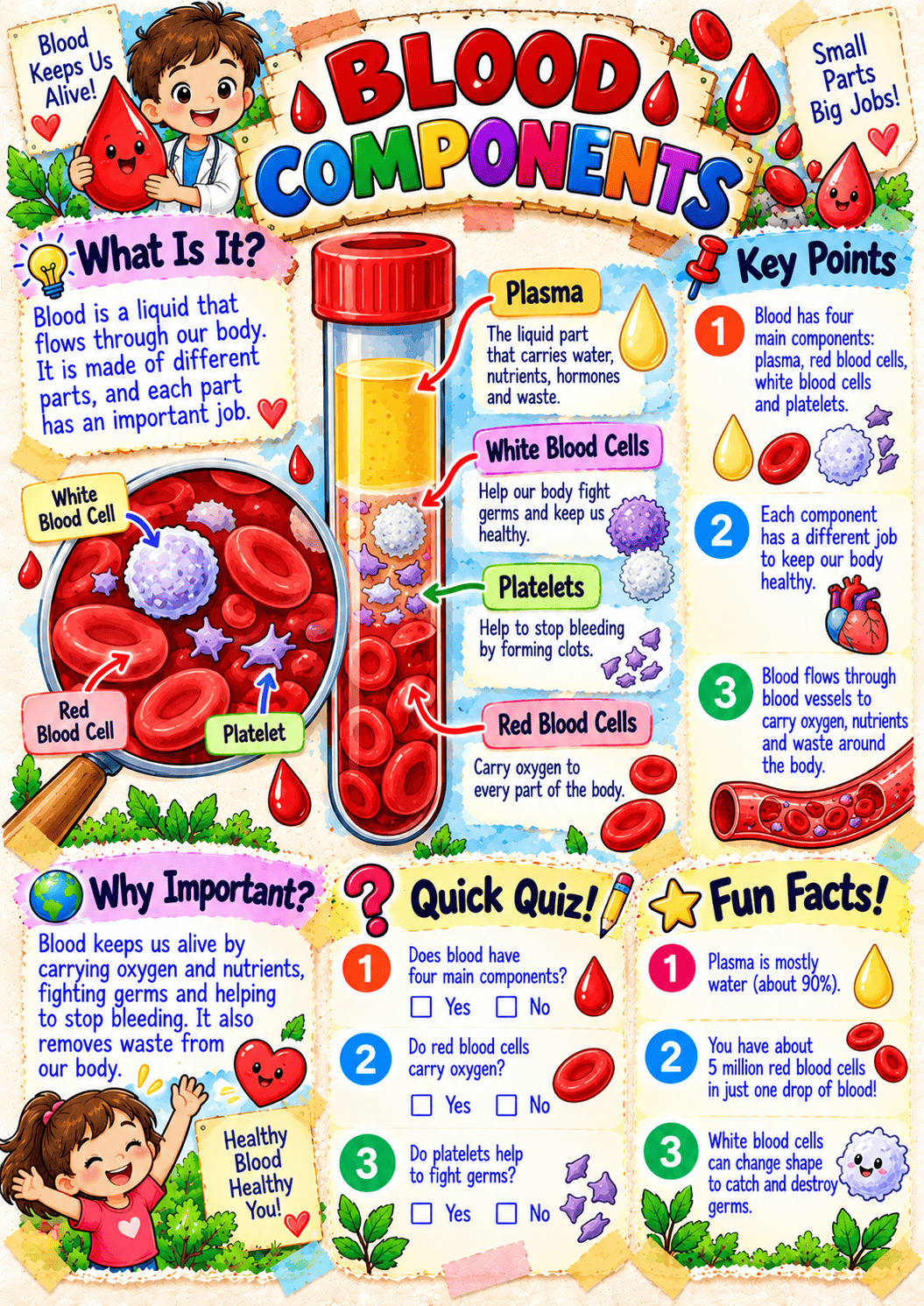
The Exact Science Topic
Every prompt begins with a clearly defined educational concept.
Instead of wondering what your next poster should cover, simply select the topic you want.
One topic = one ready-to-use poster prompt
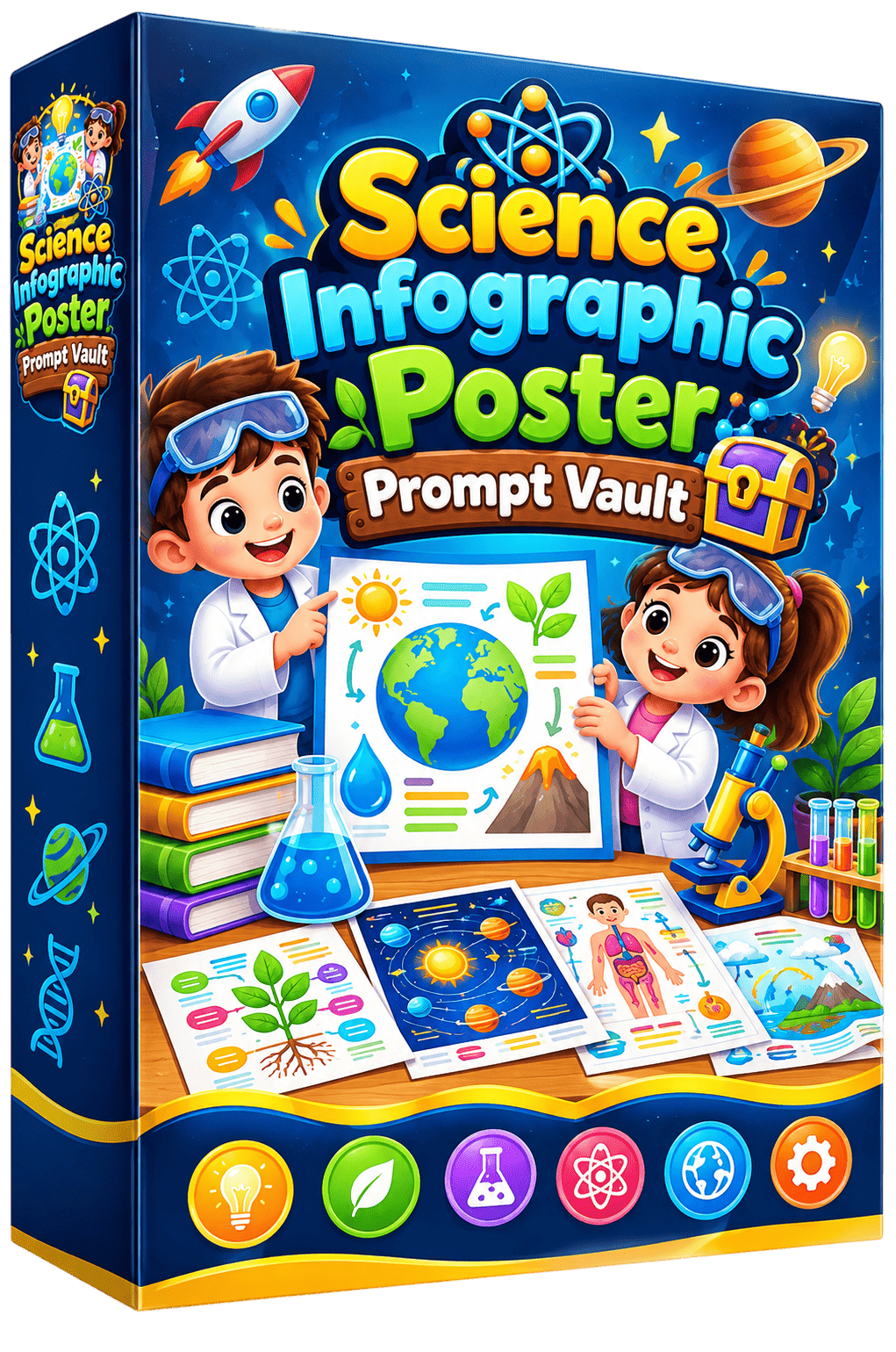
 Science Infographic Poster Prompt Vault
Get Instant Access To 750 Detailed Science Infographic Poster Prompts Covering Earth Science, Physical Science, Life Science, The Human Body, Health, Environment, Conservation & Much More!
Give Your AI The Topic, Layout, Educational Content, Visual Direction, Diagram Instructions, Facts, Quiz Elements & Design Style It Needs — Without Building Every Prompt From Scratch.
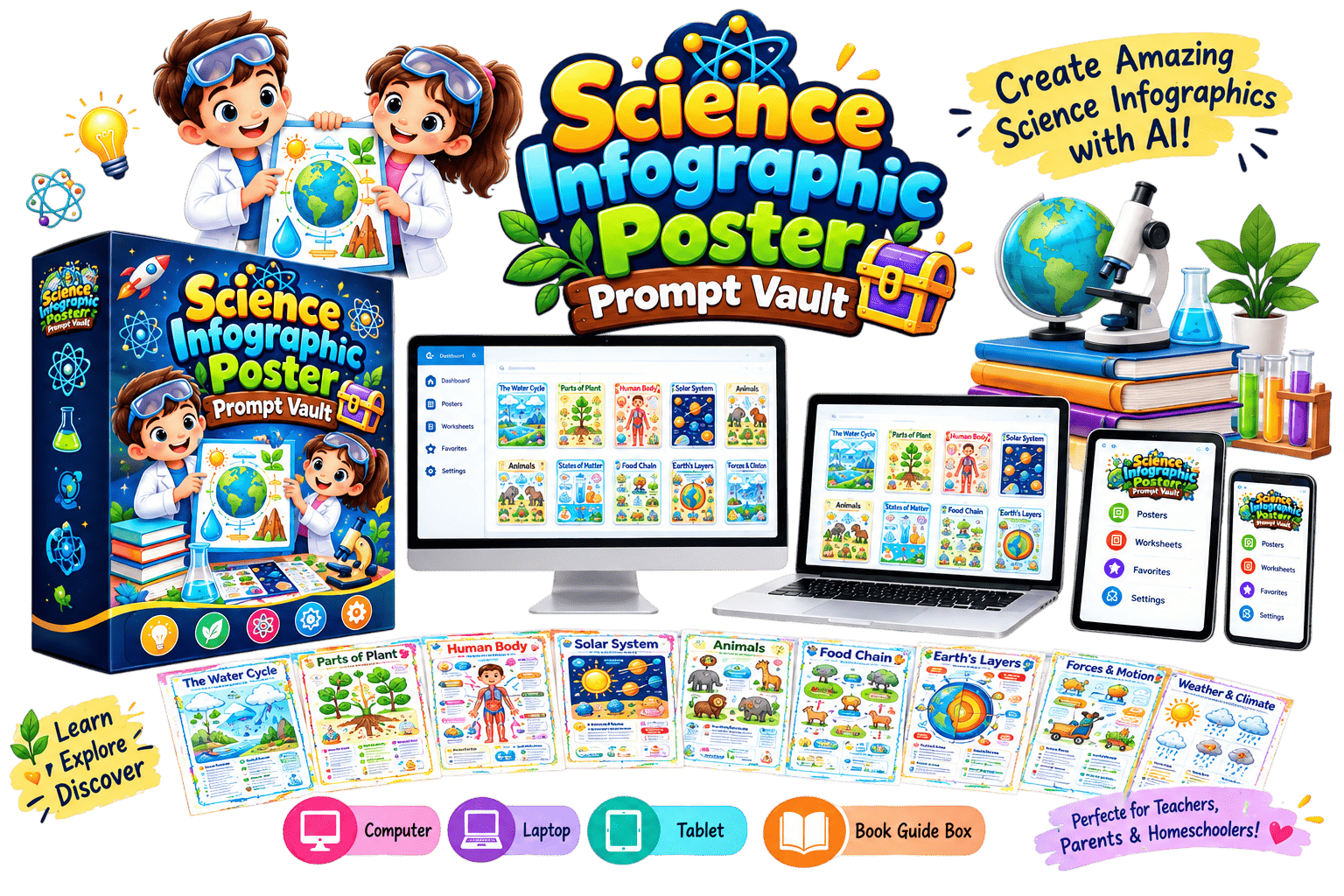 750 Prompts
5 Free Bonuses
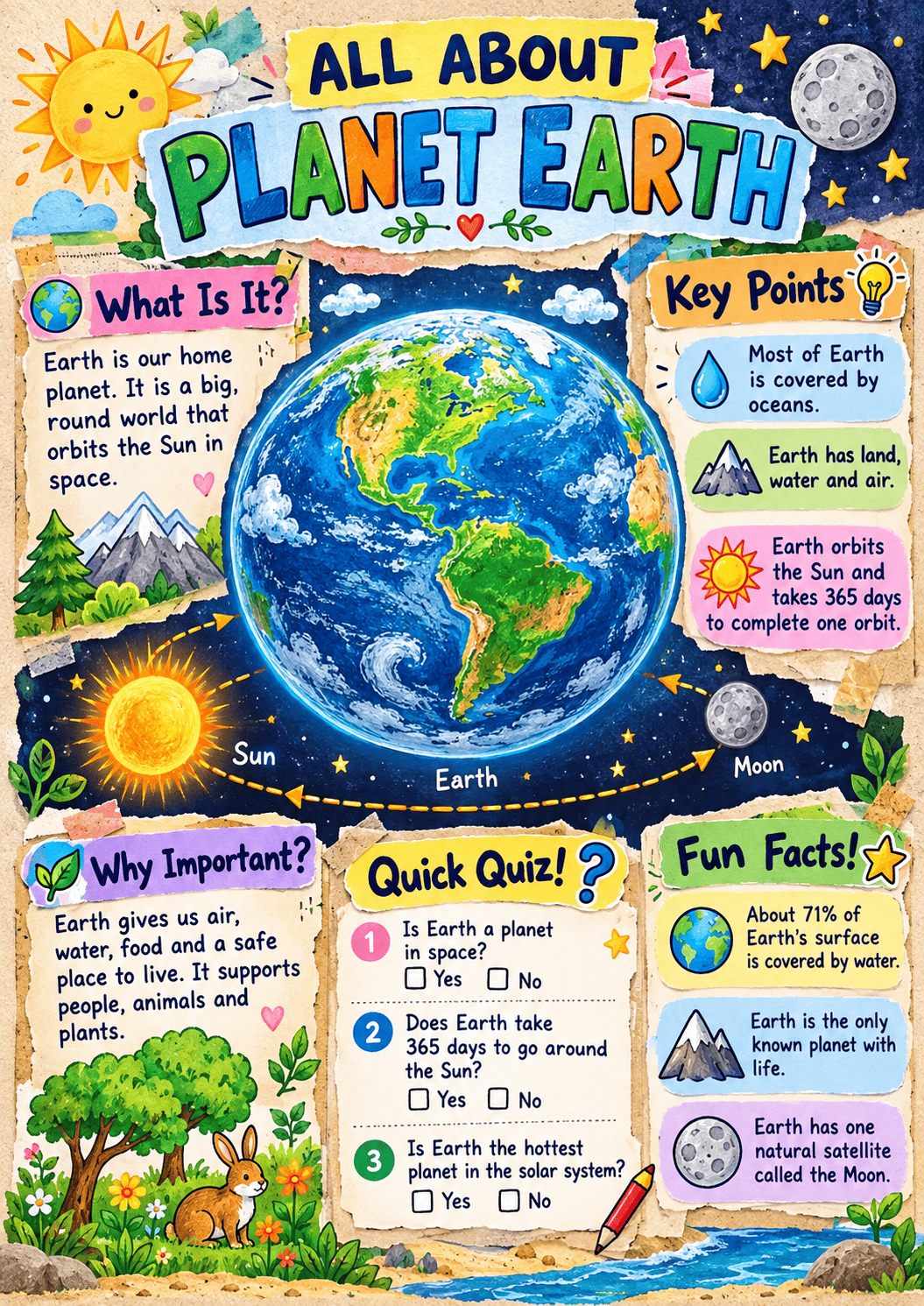
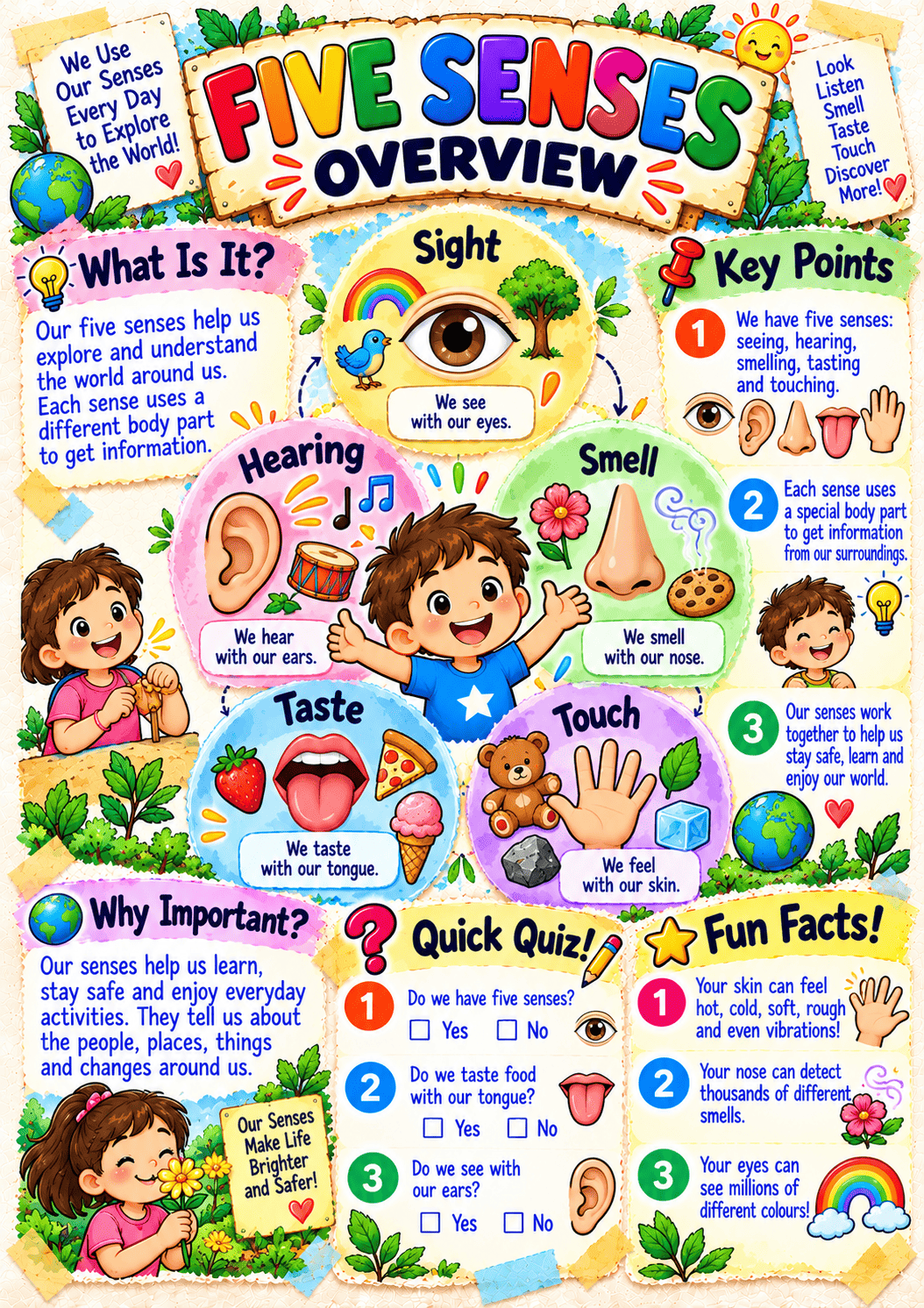
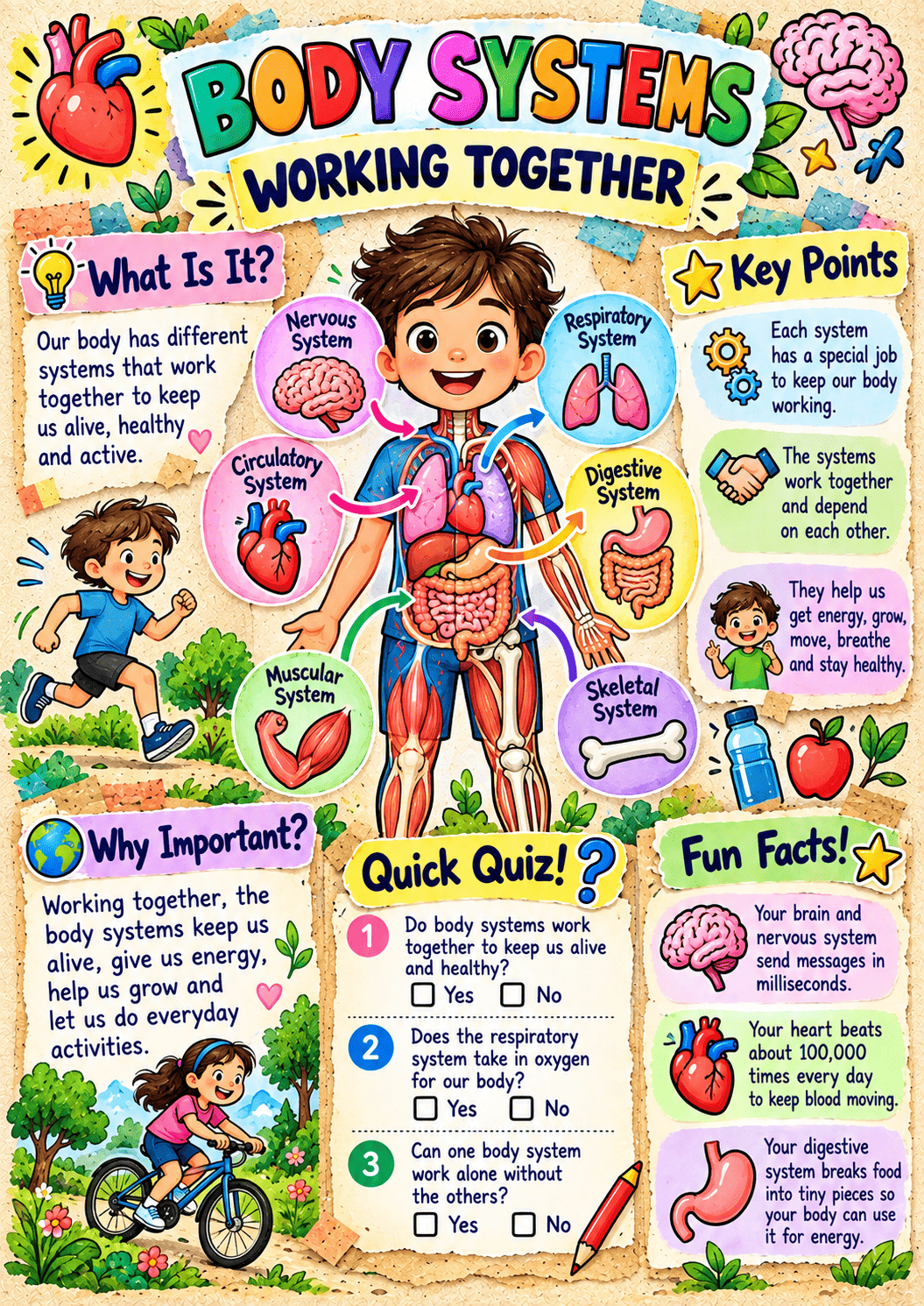
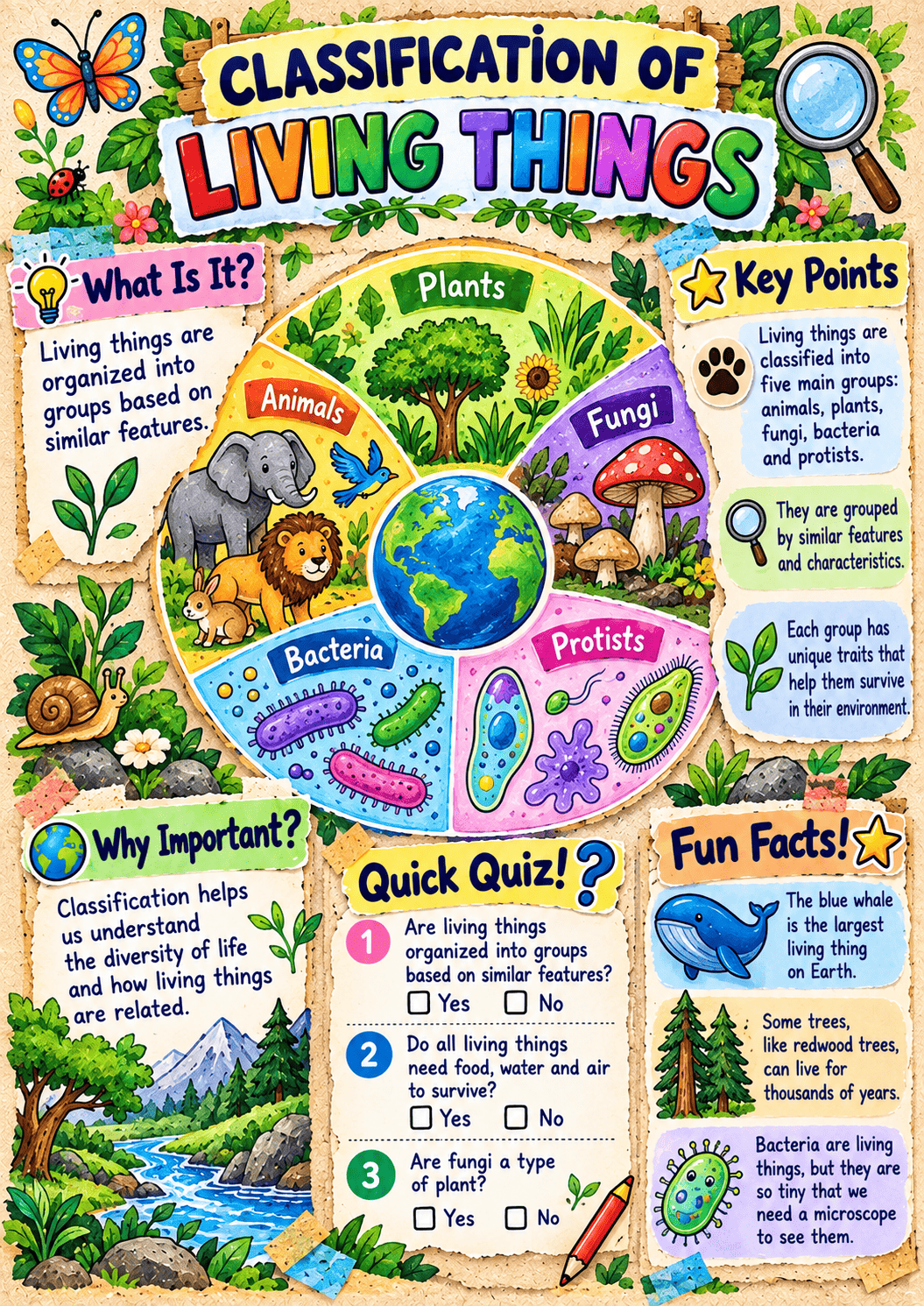
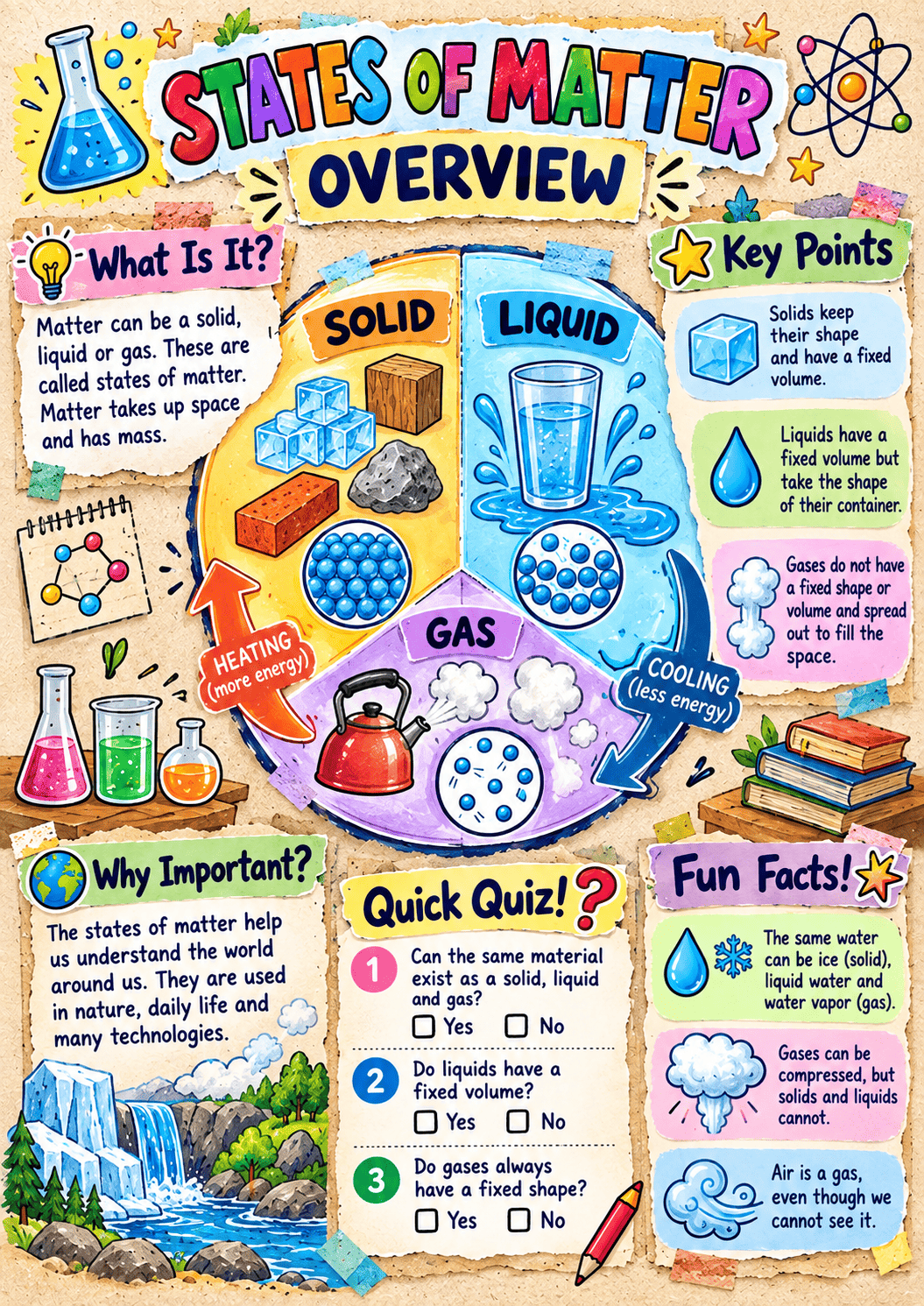
If you've experimented with AI image generation, you've probably discovered the problem.
A short instruction can produce…
And when you're trying to create dozens—or hundreds—of educational science visuals, writing every instruction manually becomes a huge job.
You have to decide…
Now imagine having those decisions already mapped out for 750 different science infographic concepts.
750 Detailed AI Prompts For Creating Kid-Friendly Science Infographics
A massive collection of detailed prompts designed to help you turn fascinating science concepts into colorful, structured educational infographic posters.
Instead of spending hours brainstorming subjects, organizing educational information and writing lengthy visual-generation instructions…
It's that simple.
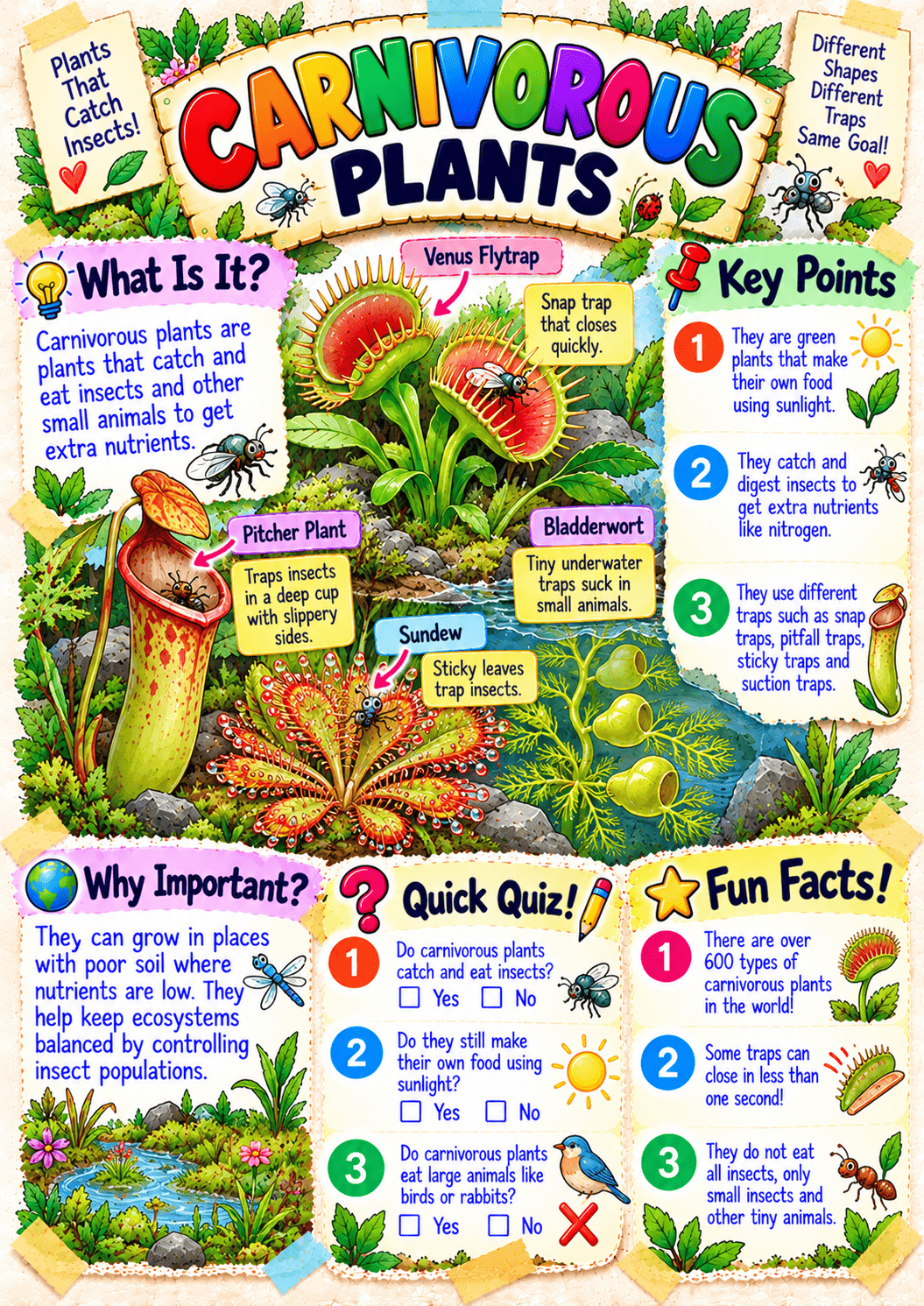
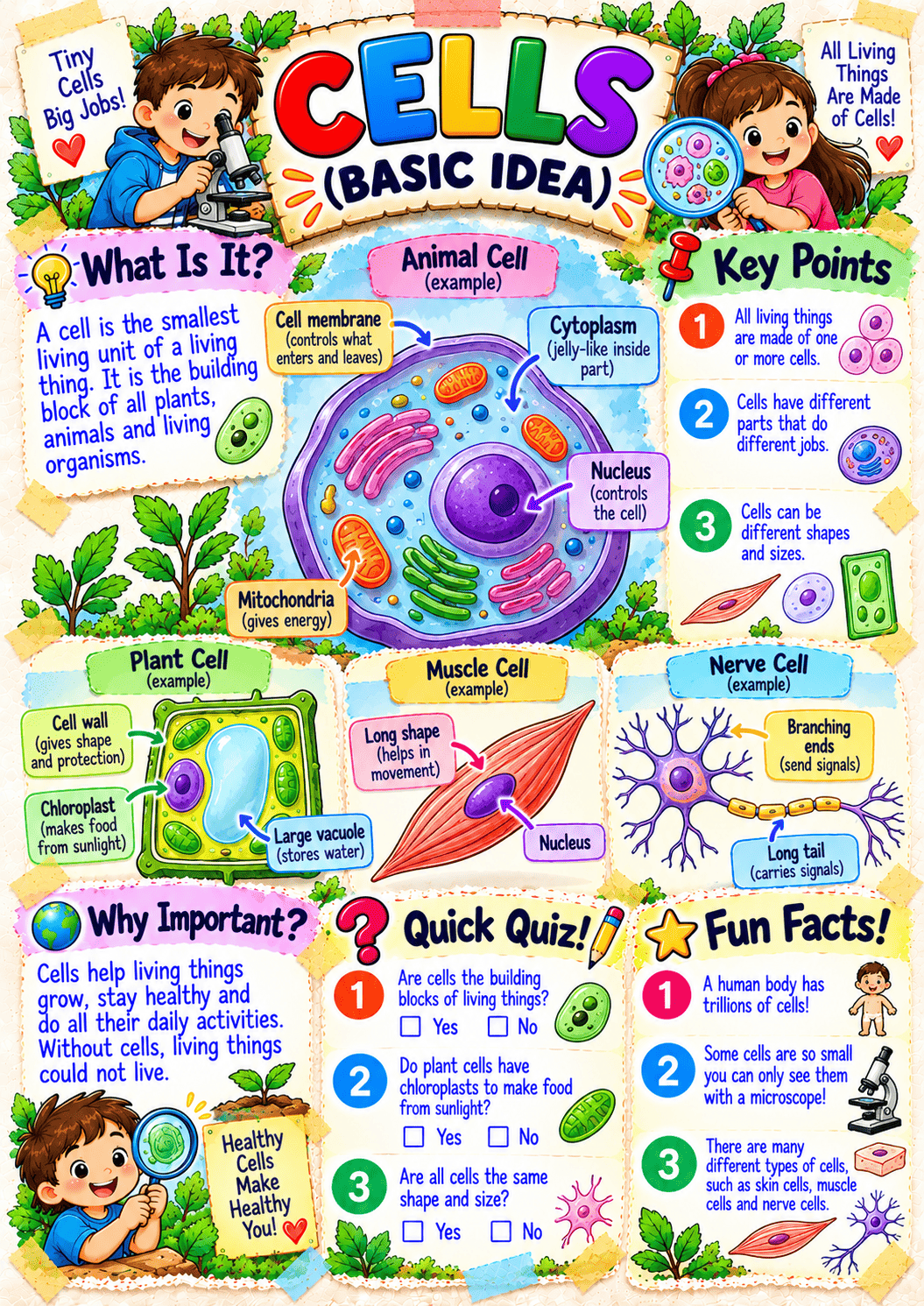
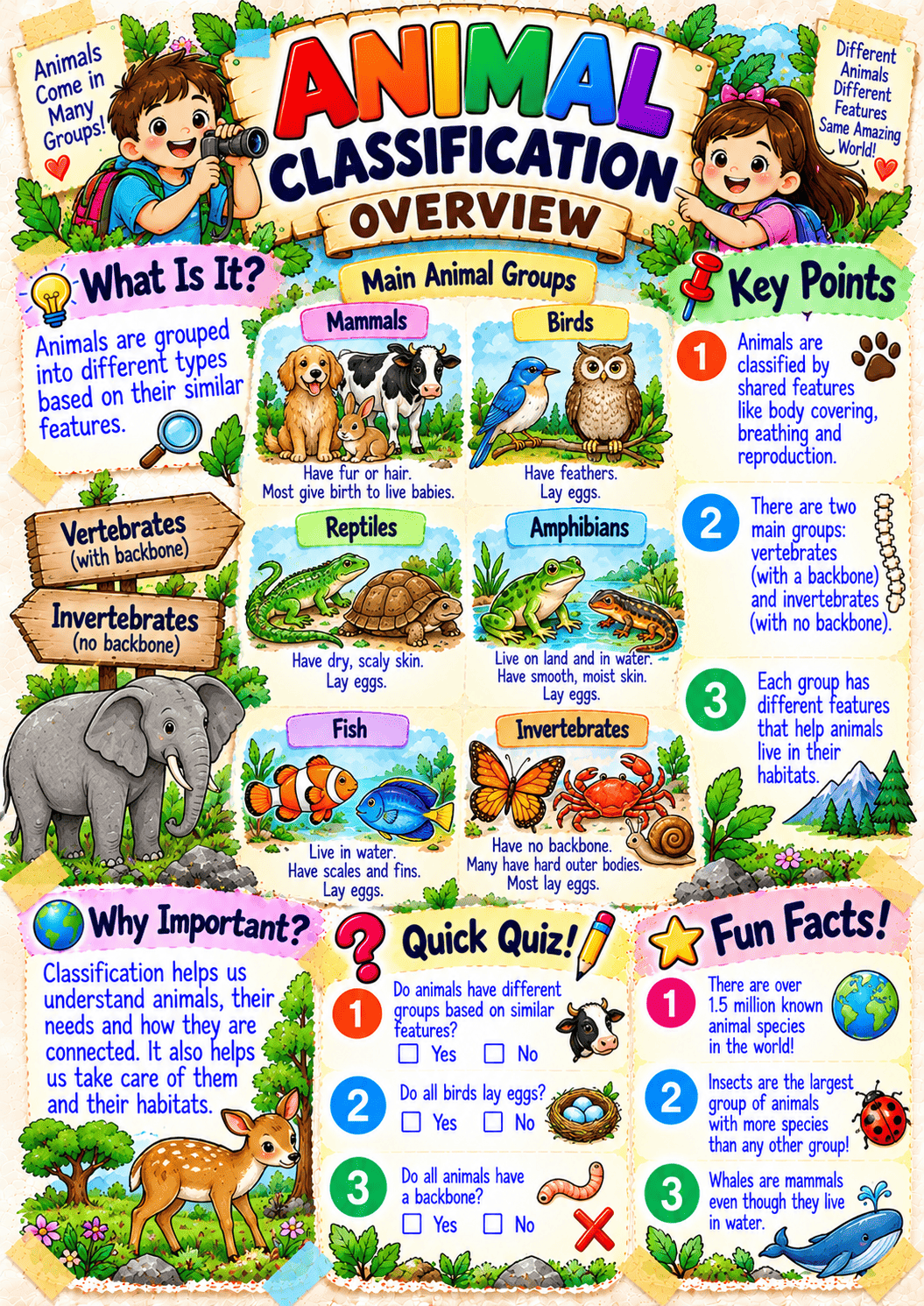
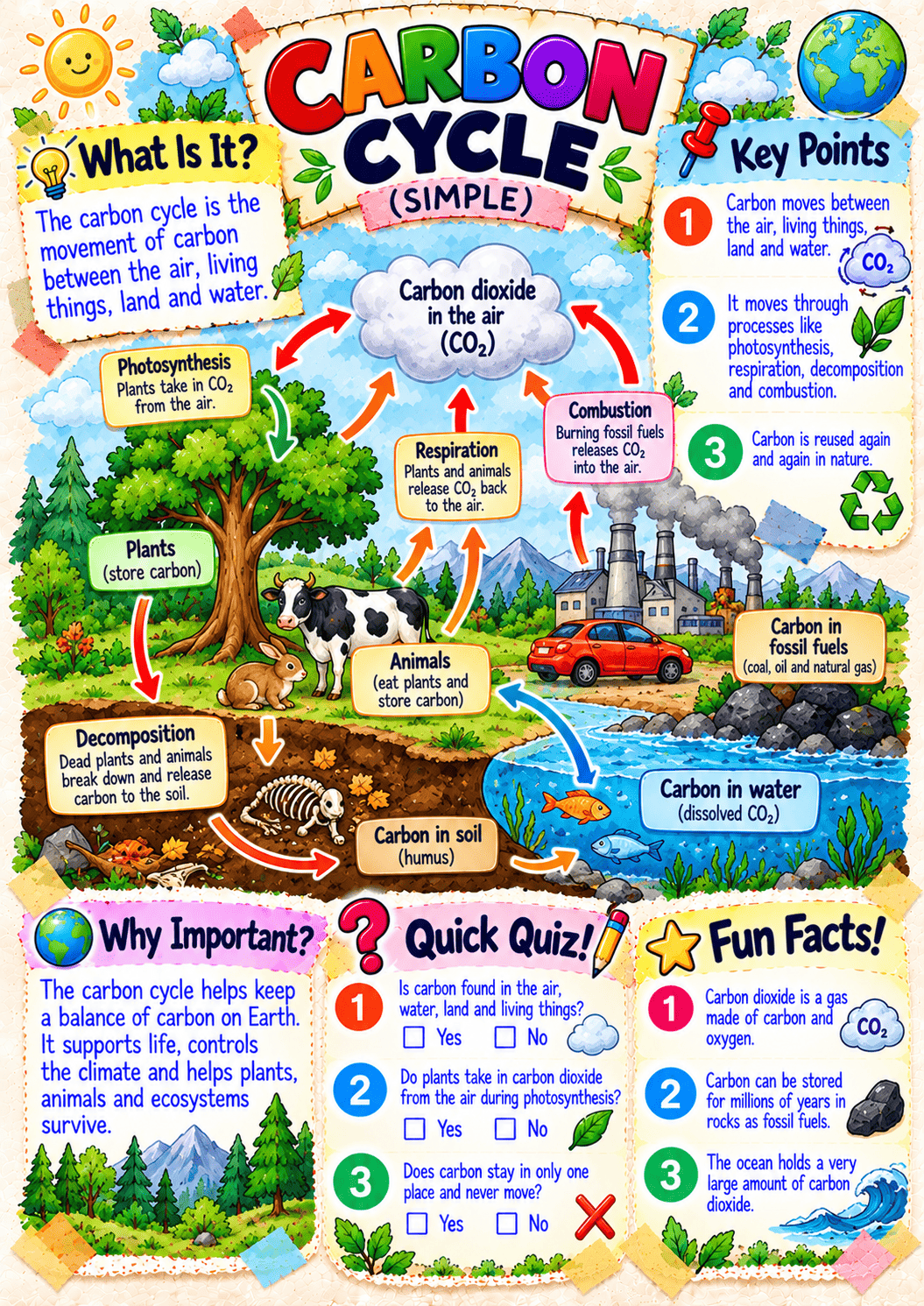
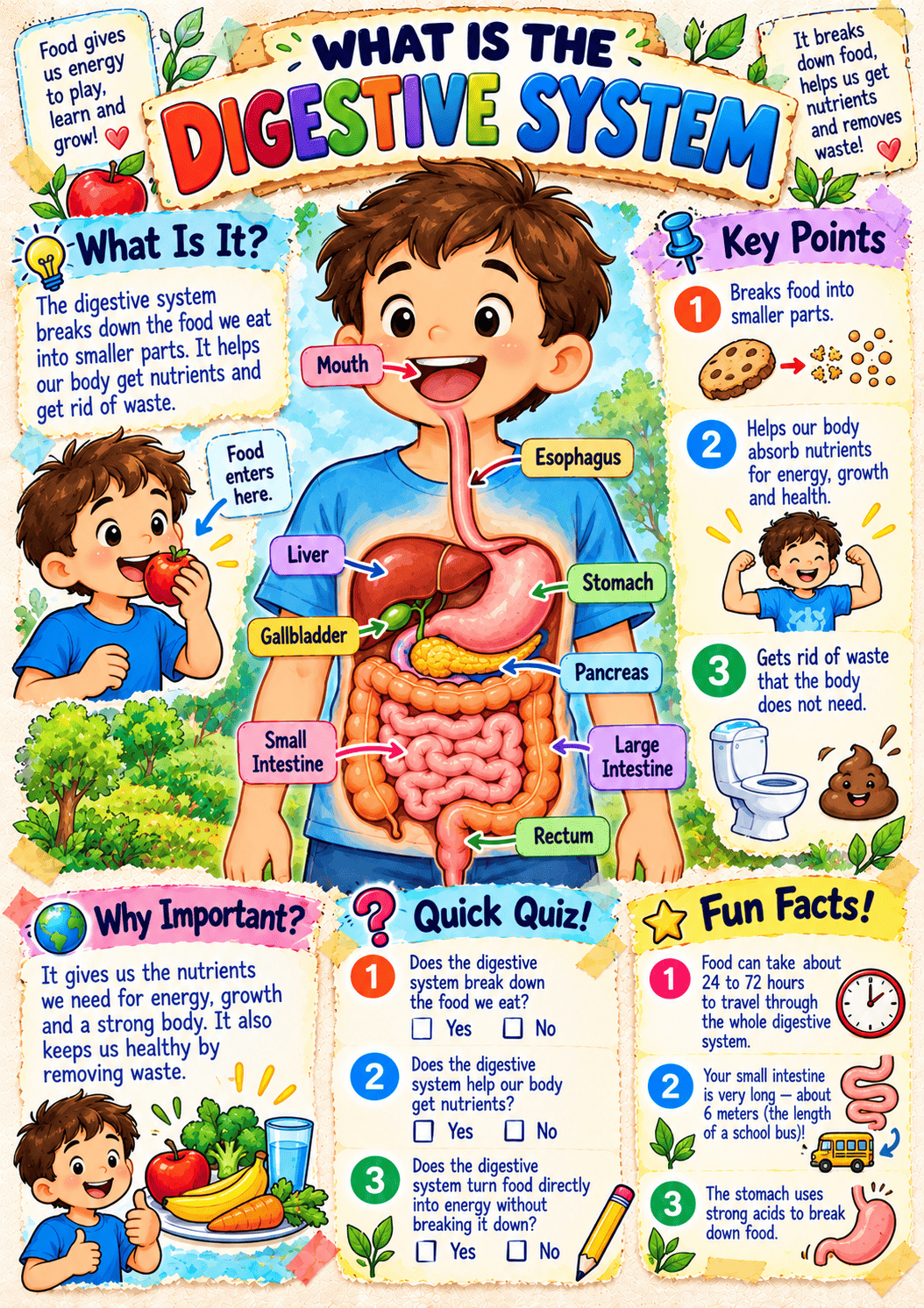
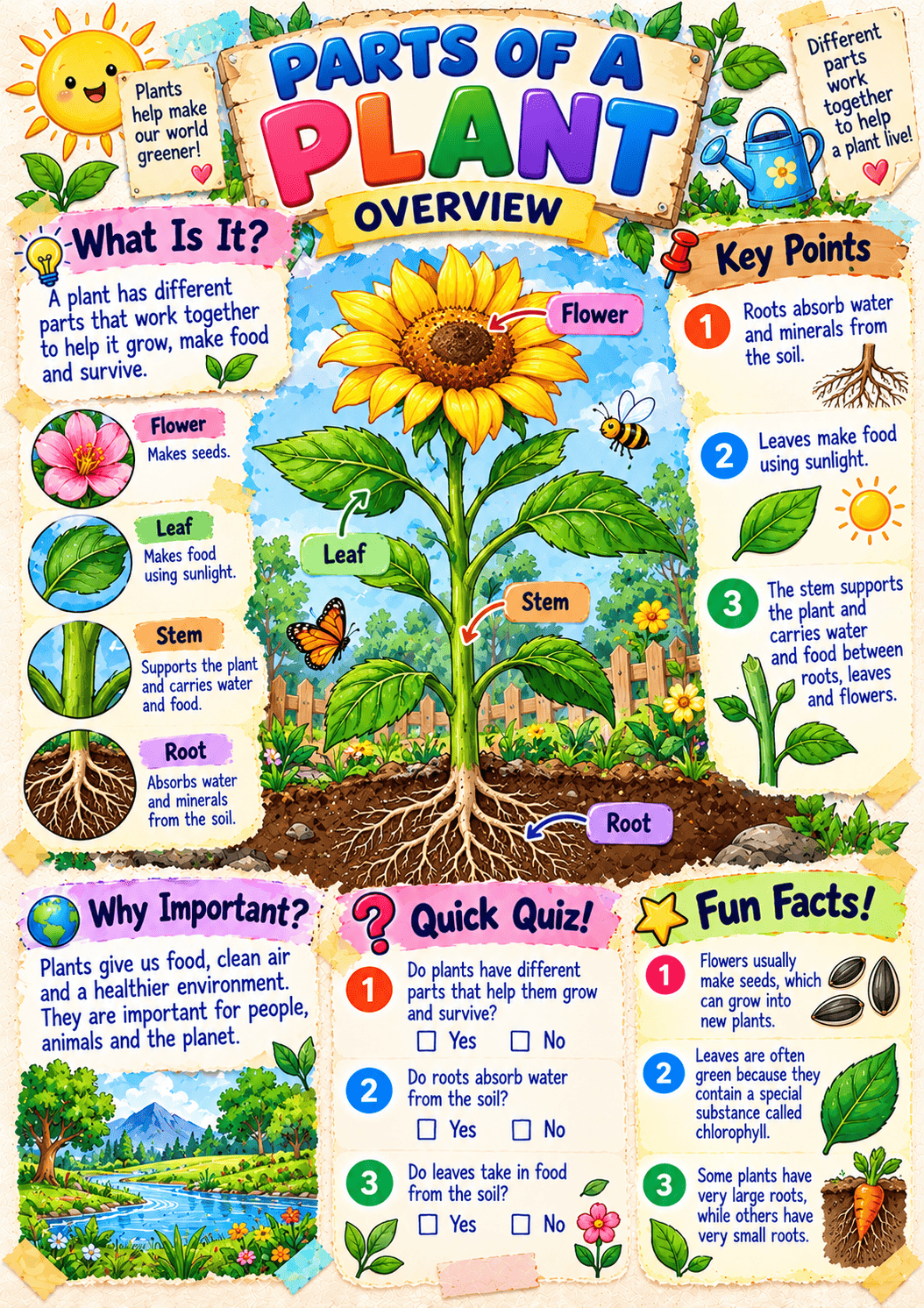
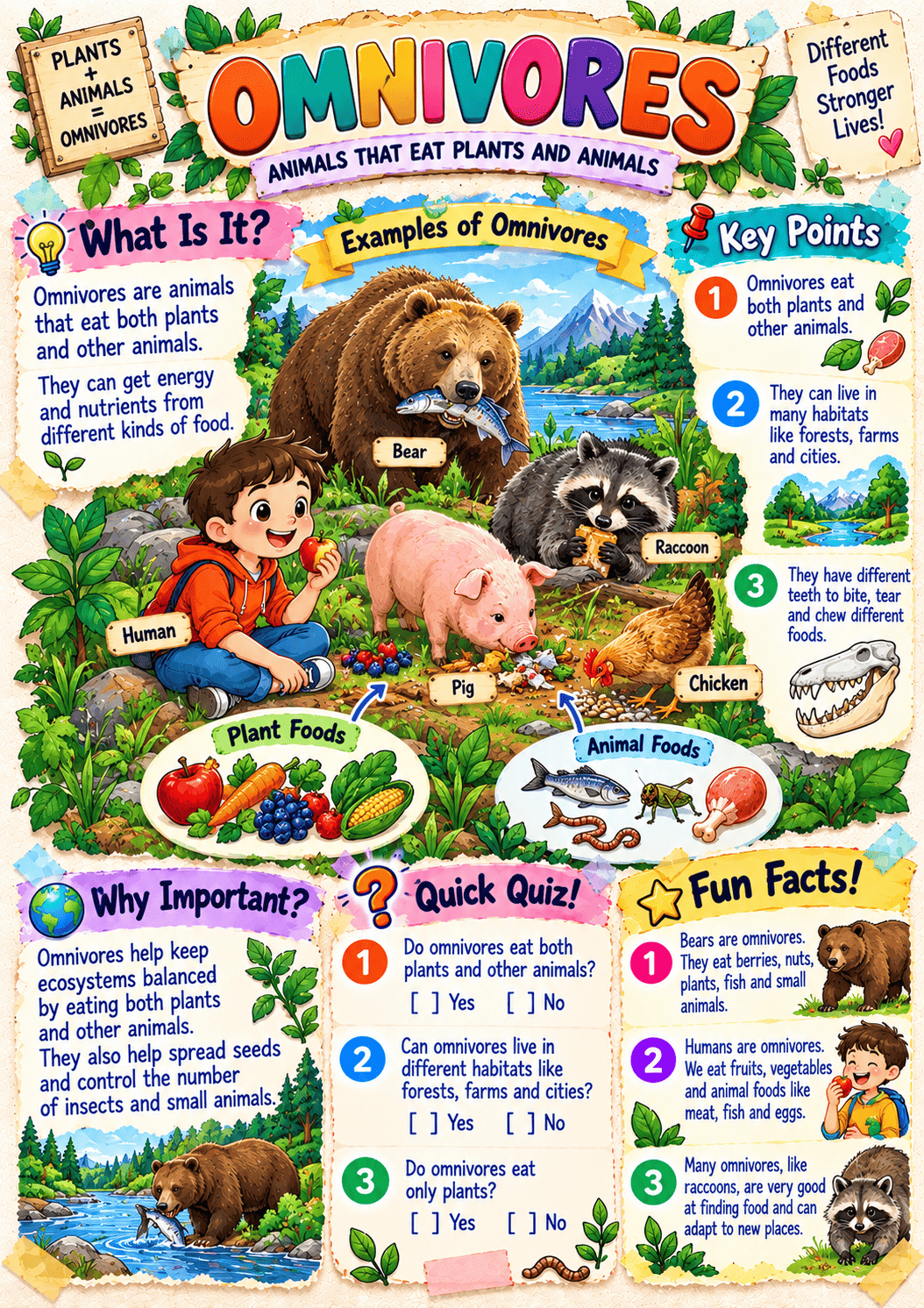
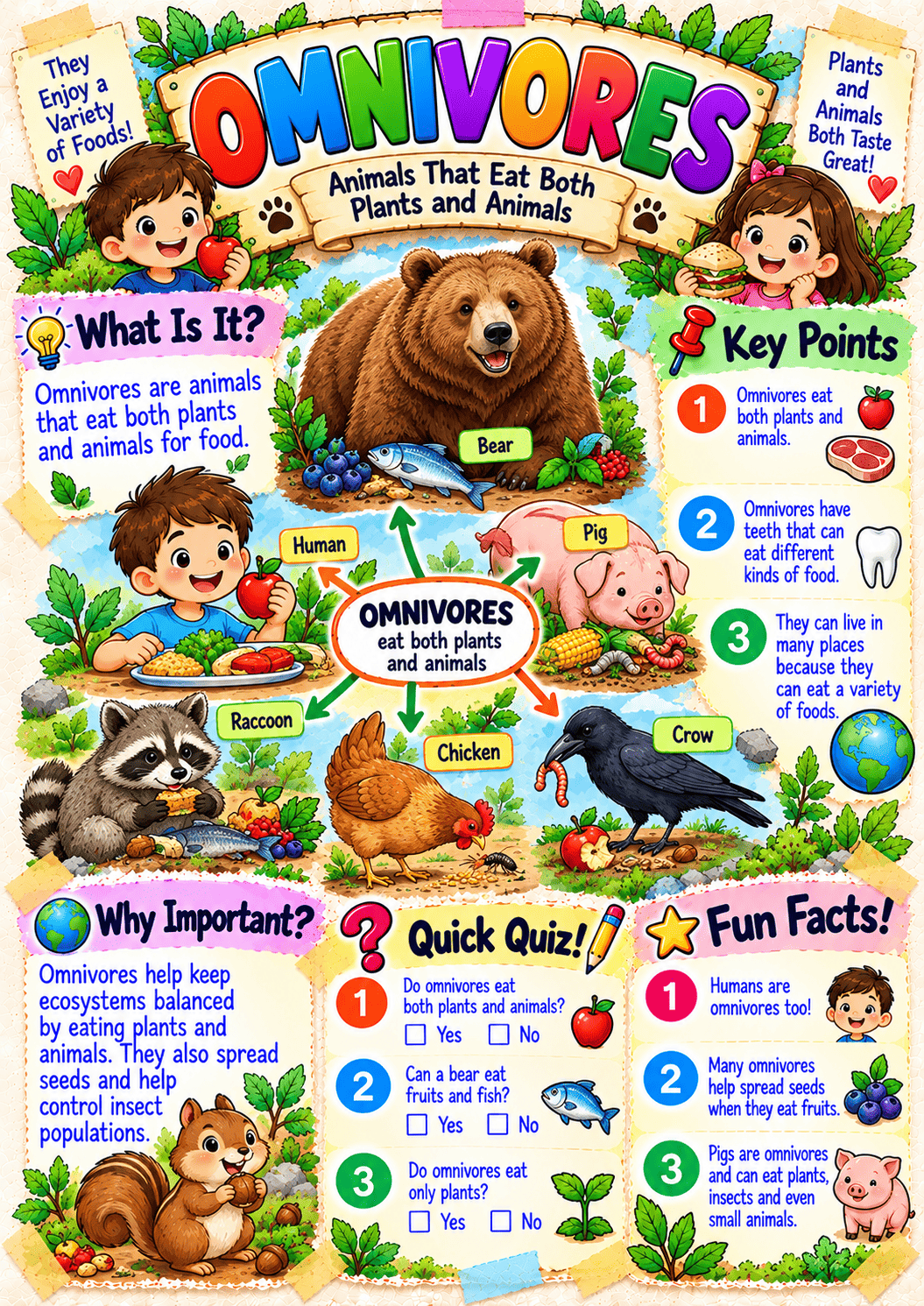
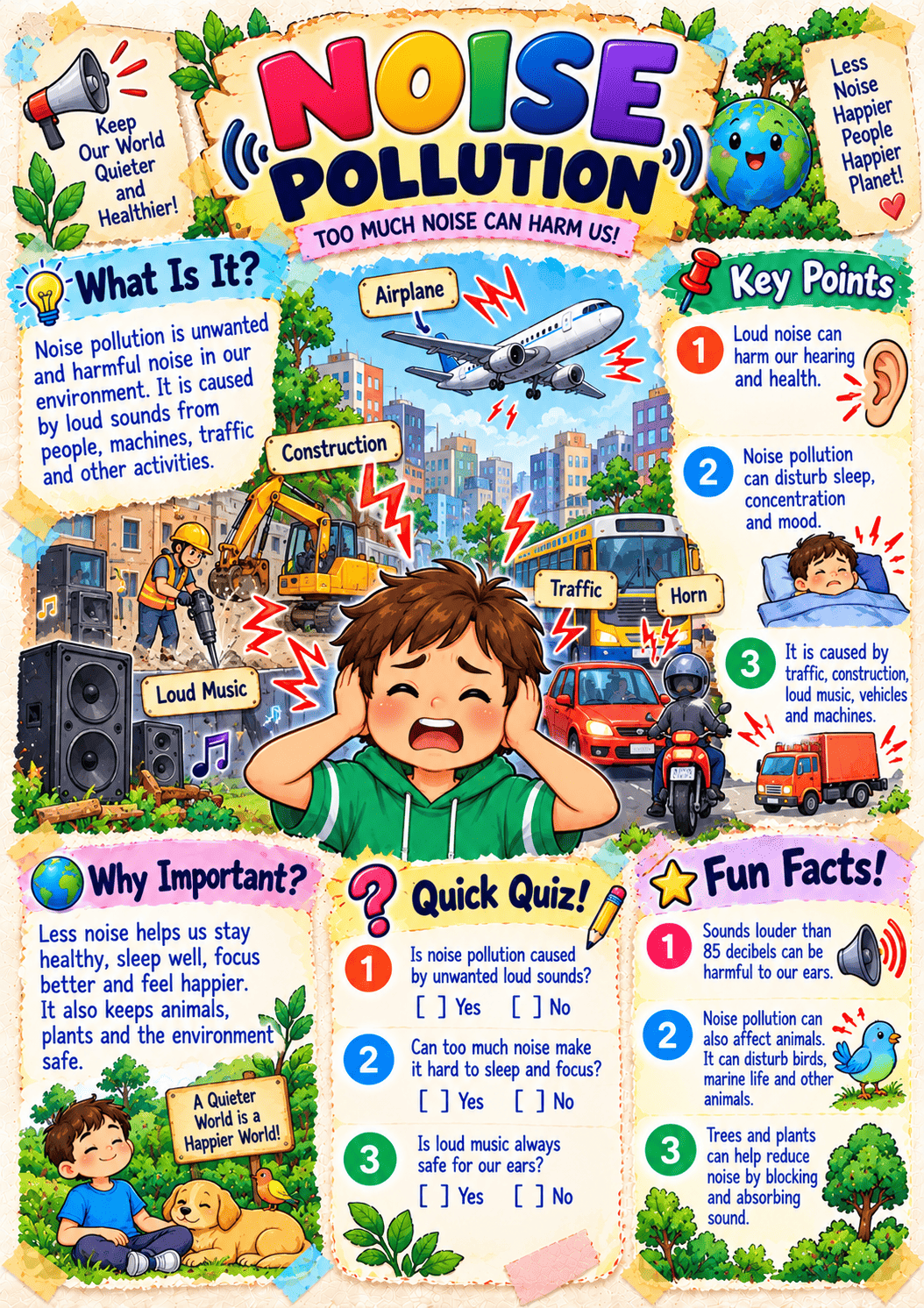
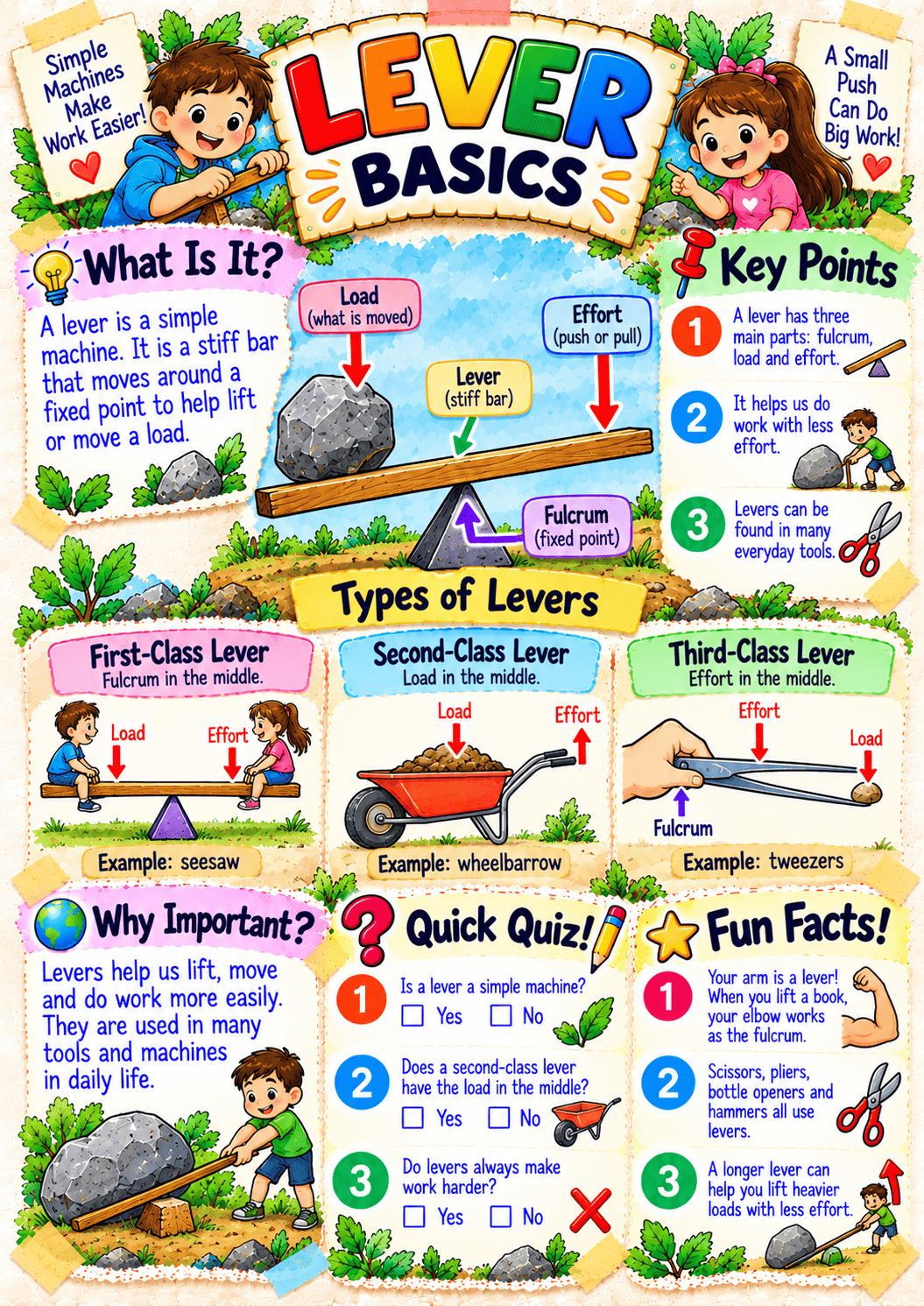
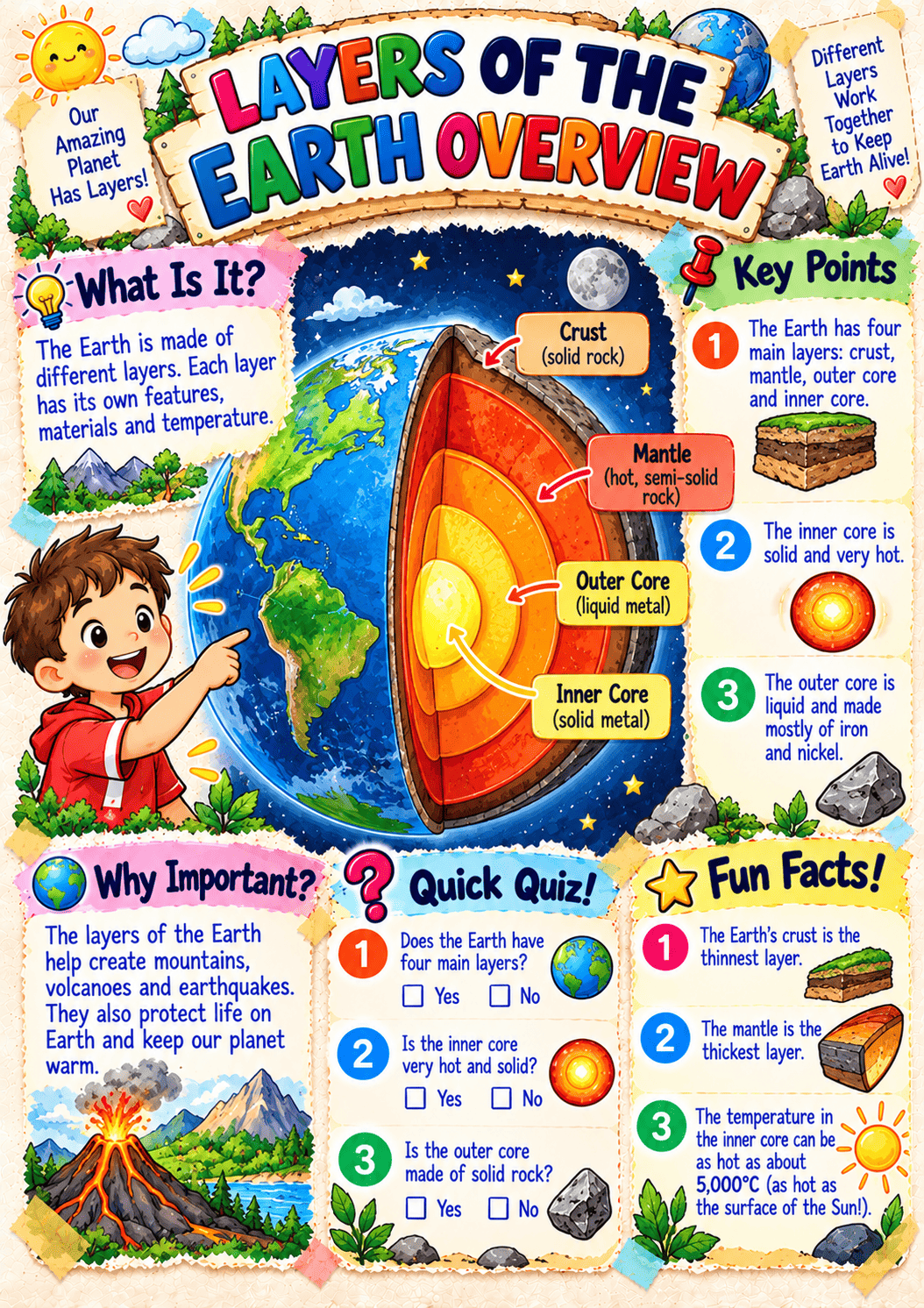
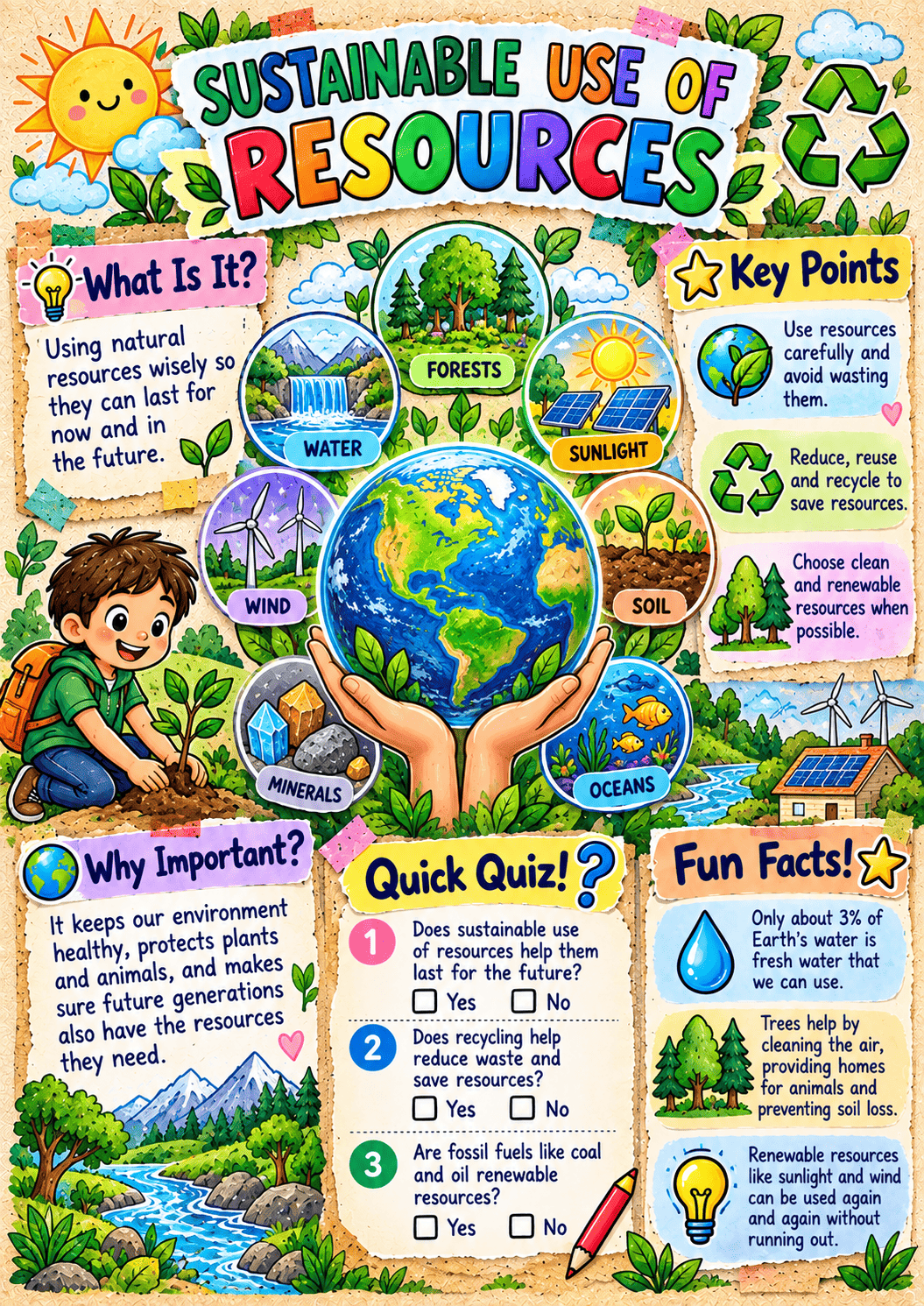
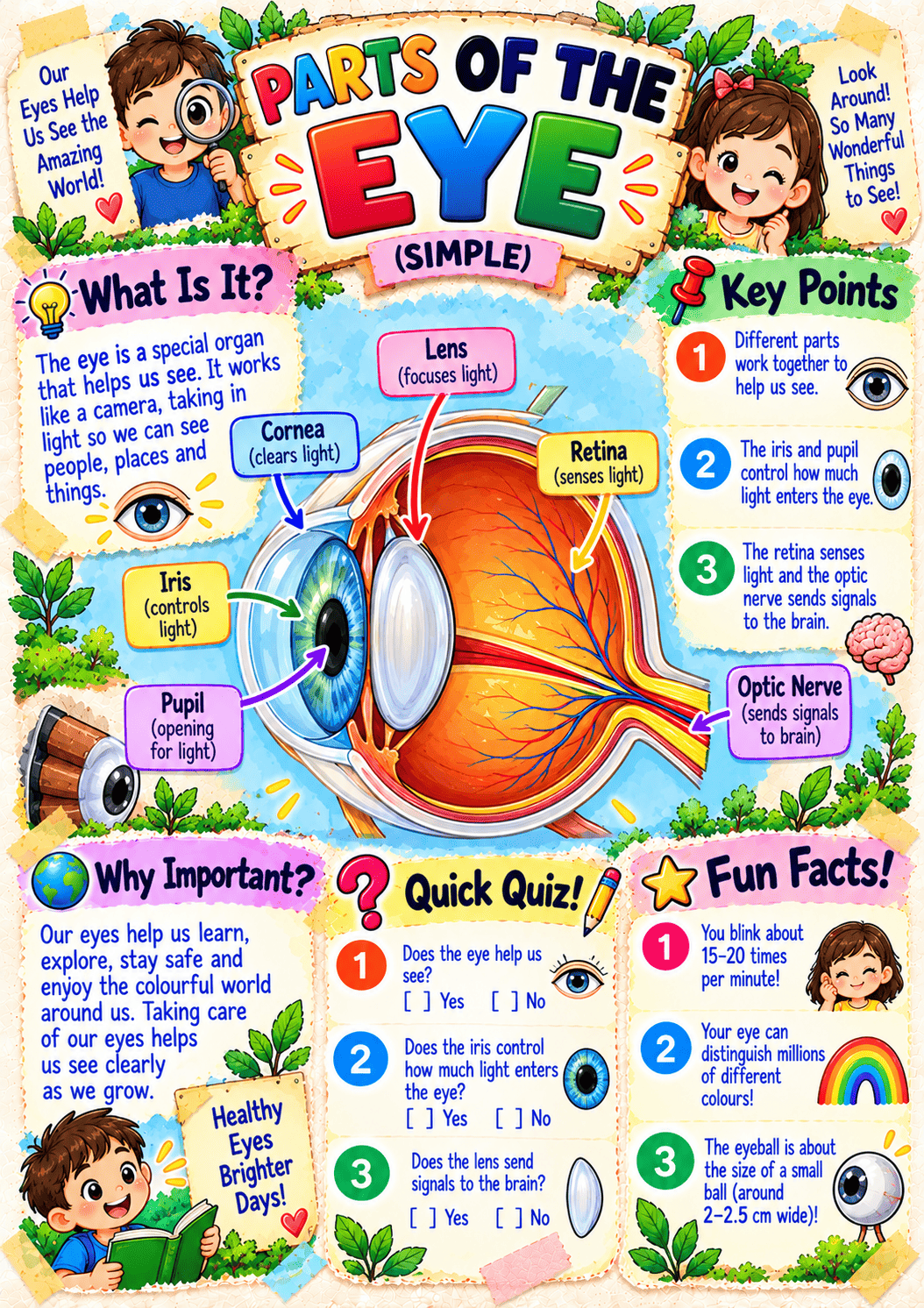
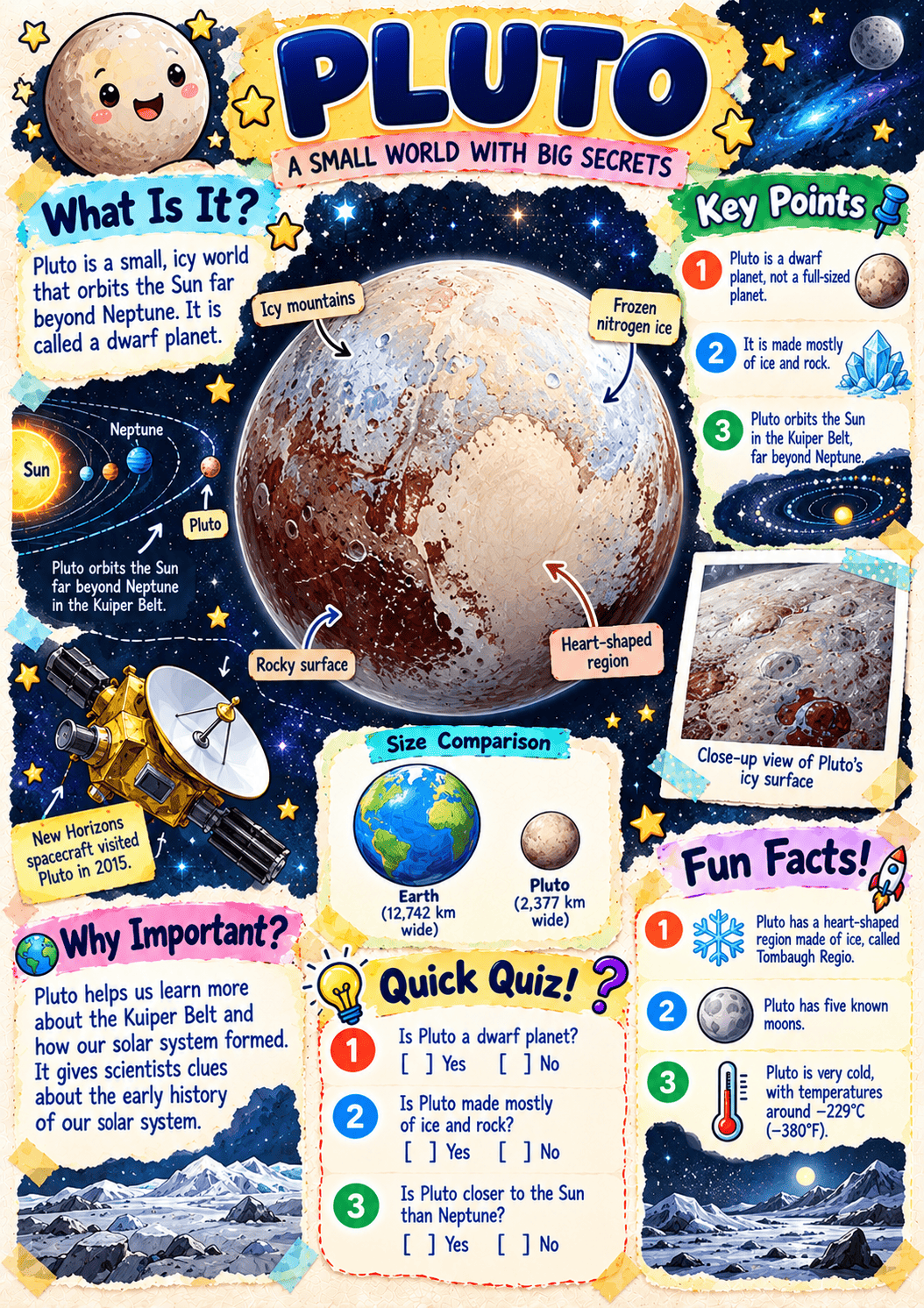
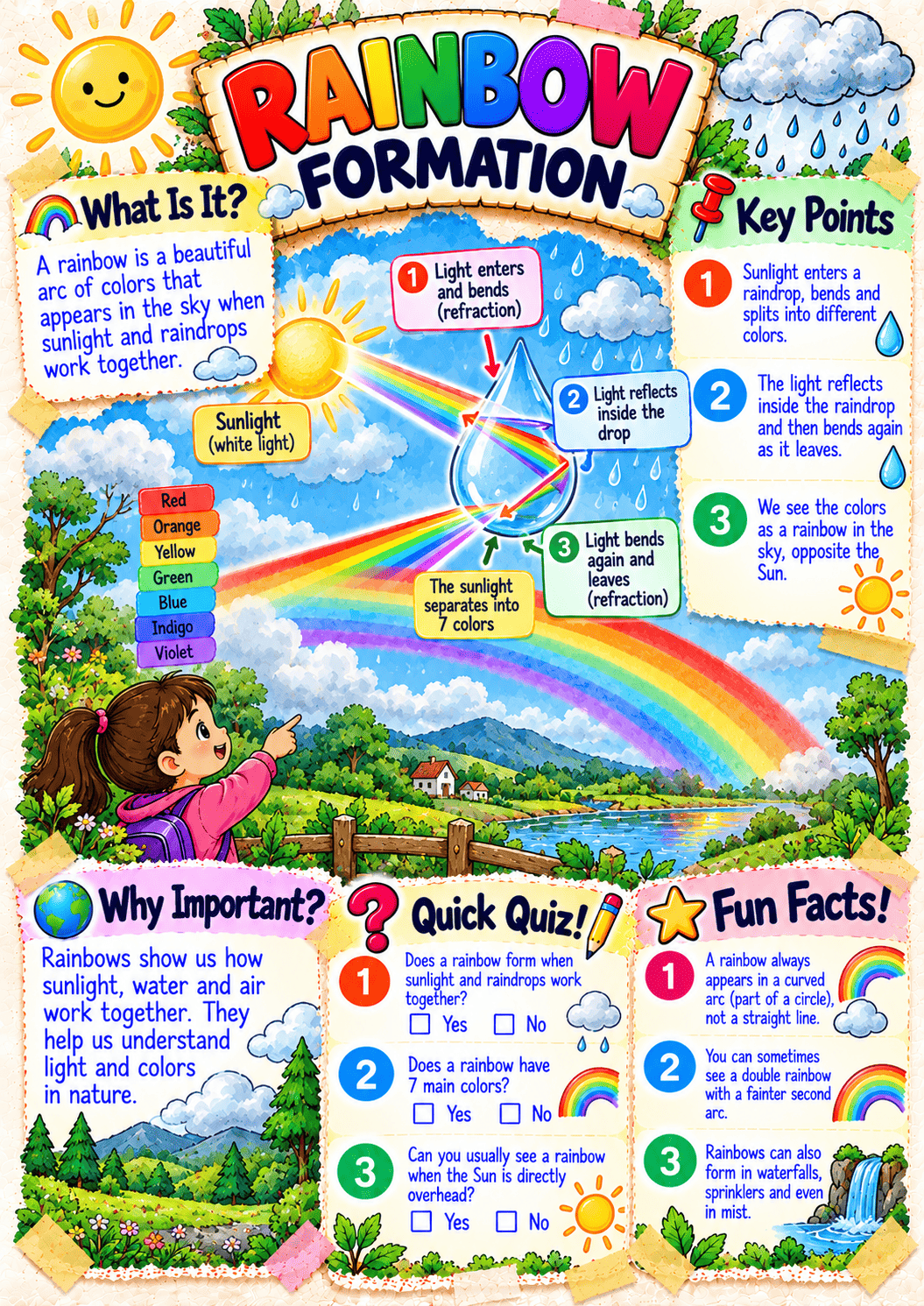
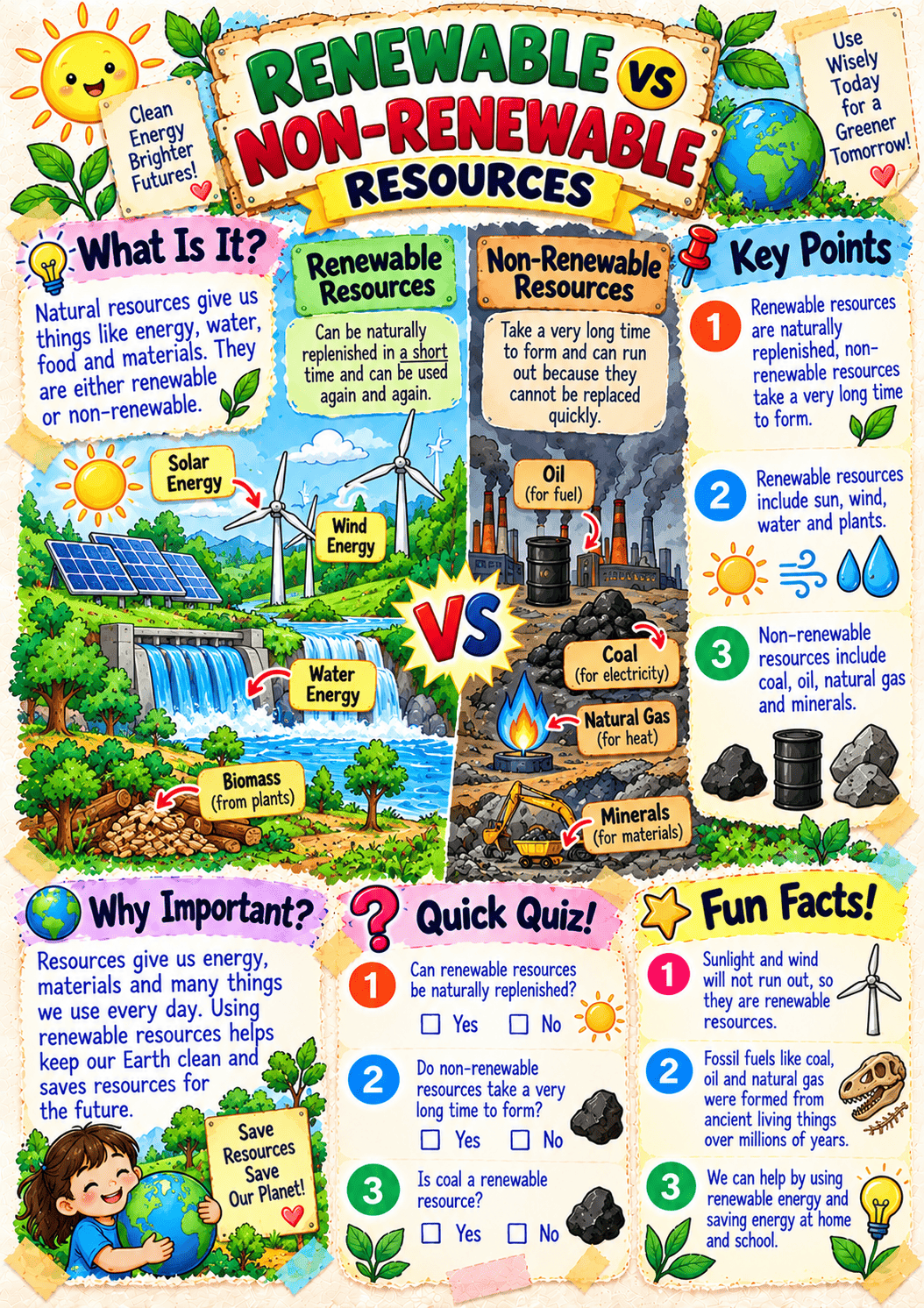
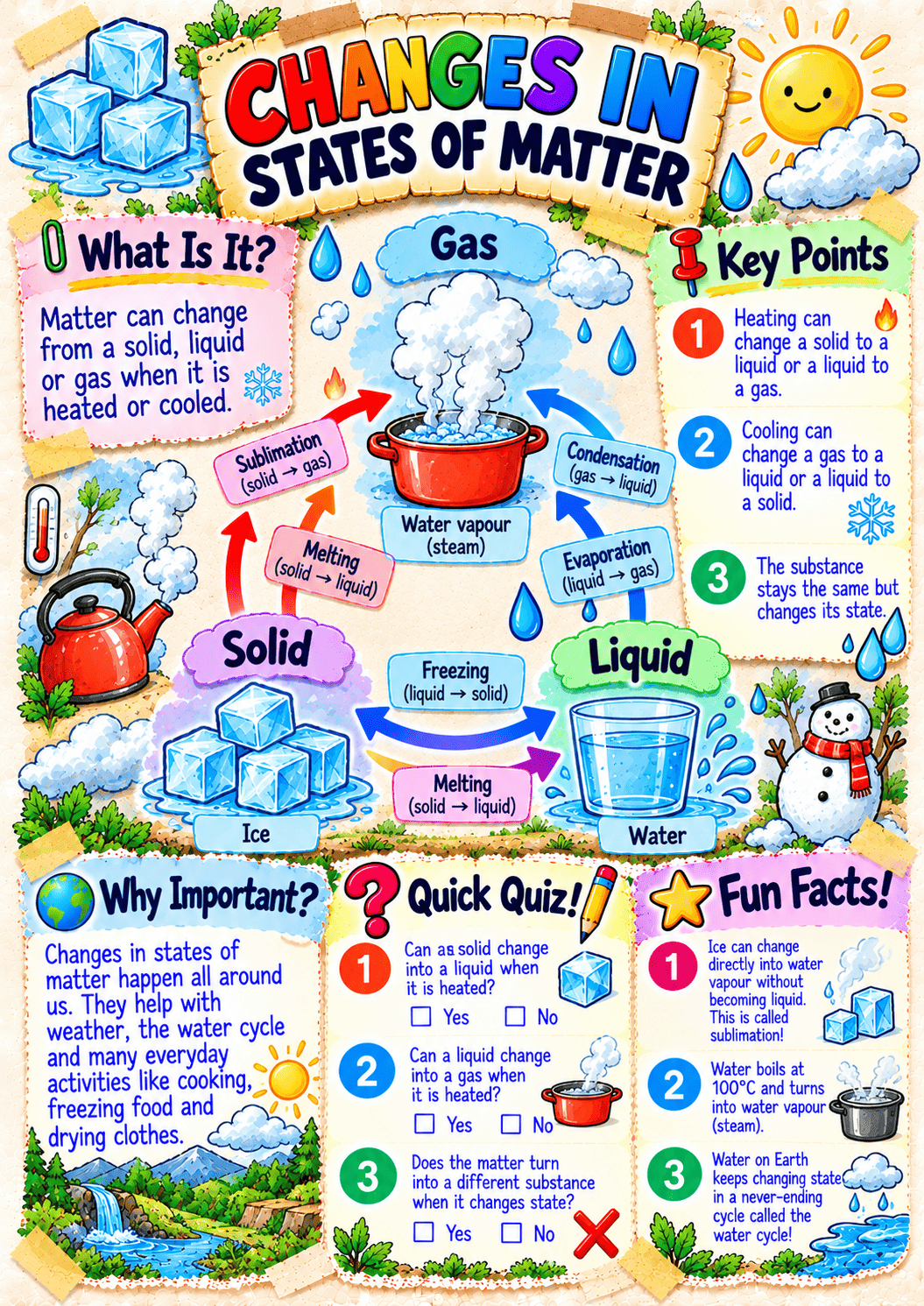
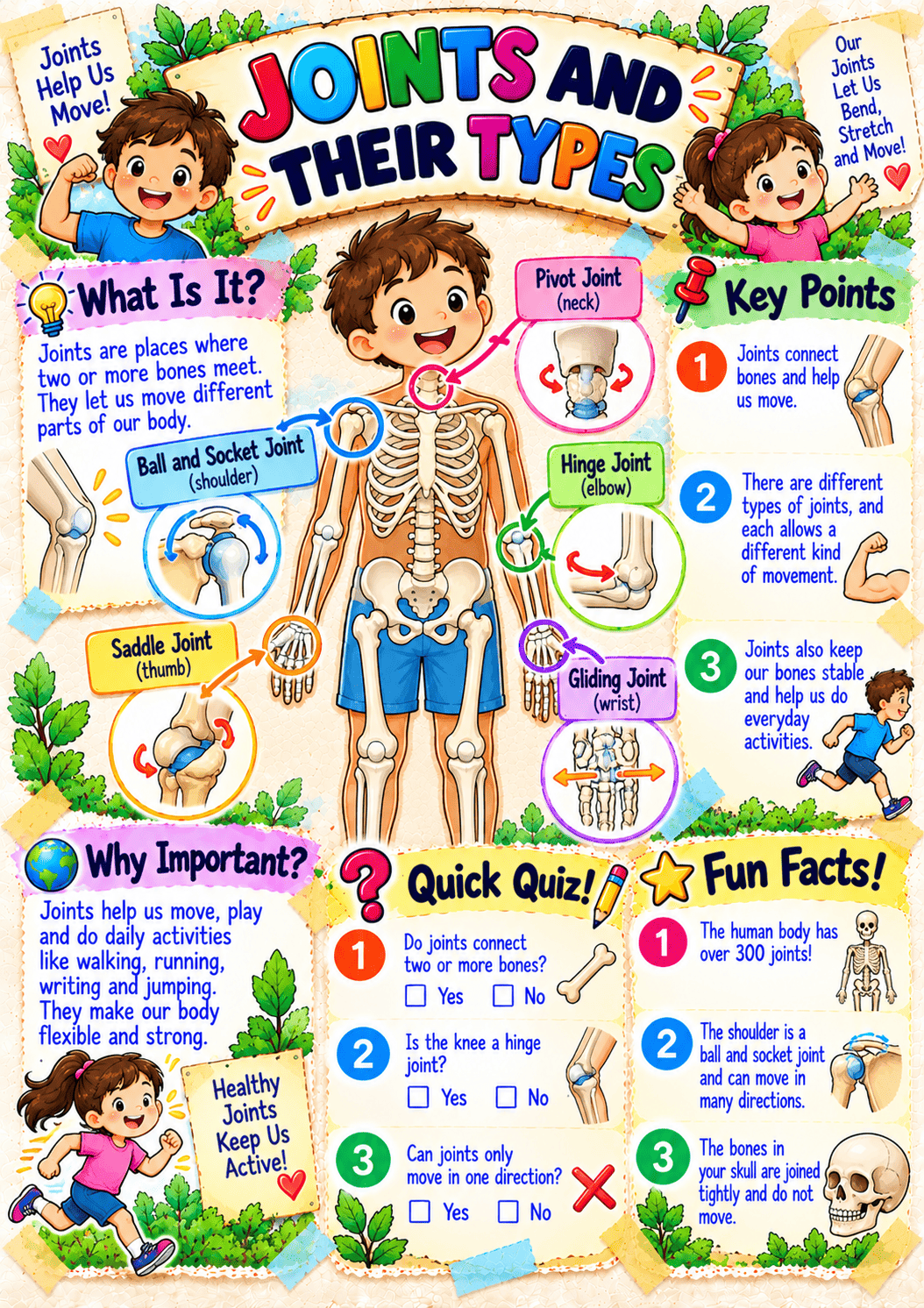
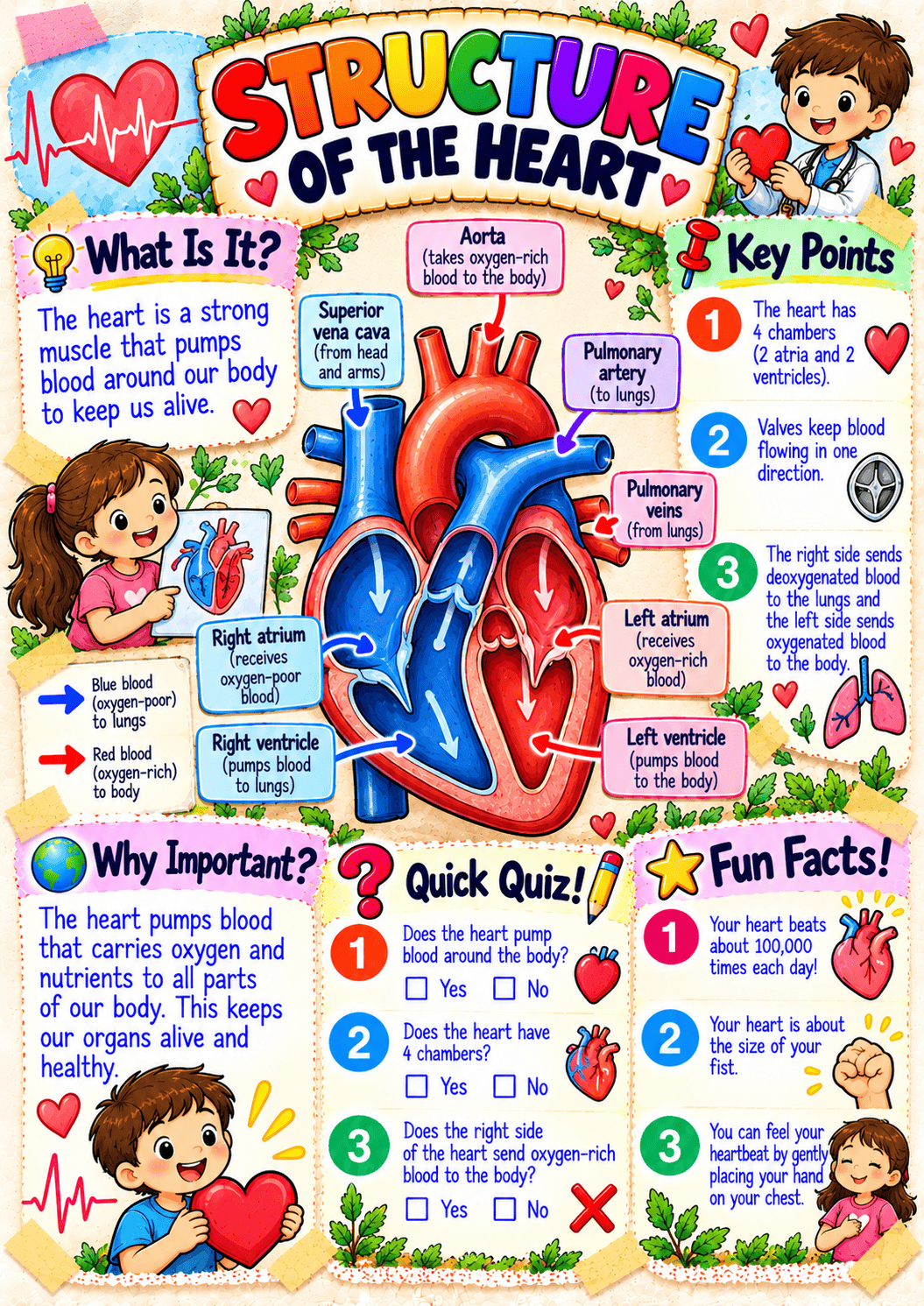
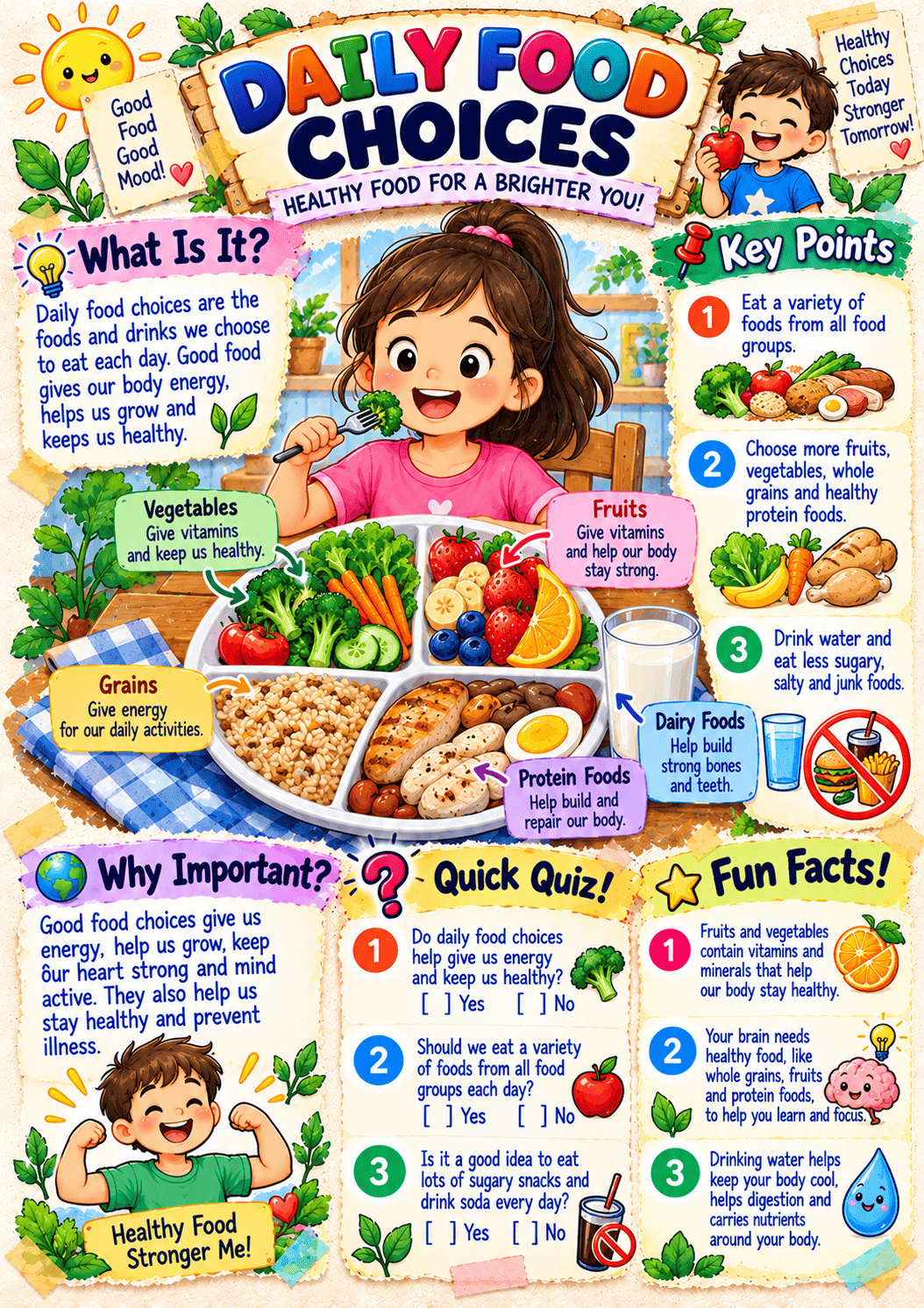
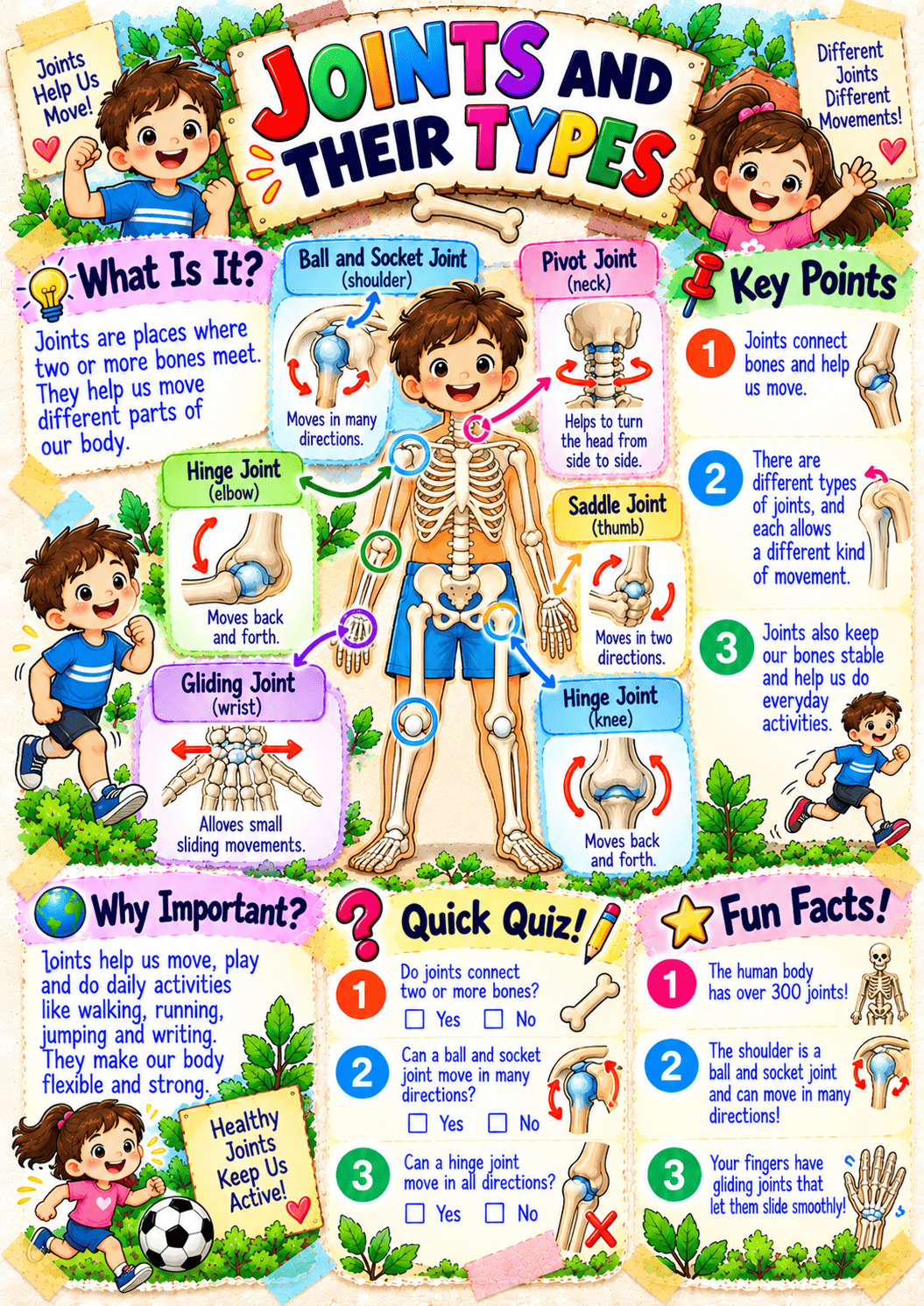
A tiny glimpse of the themes, subjects and visual directions you can bring to life with the prompt vault.
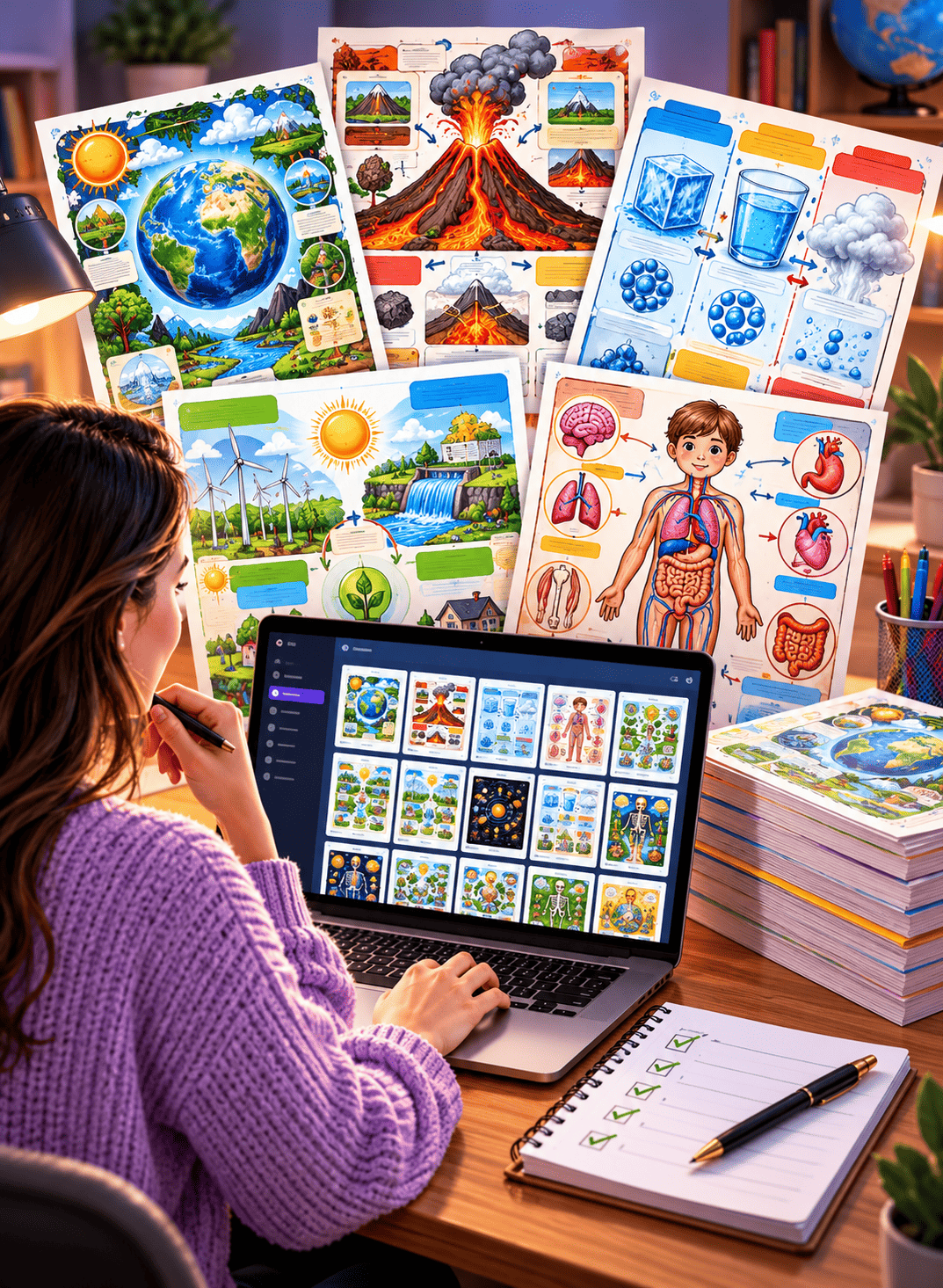
You aren't getting a document that simply says:
That wouldn't save you much work.
You're Getting 750 COMPLETE VISUAL-GENERATION PROMPTS.
Each prompt functions more like a mini creative brief + educational content brief + infographic design brief.
The prompts tell the AI what type of visual to create and how the information should be presented.
Depending on the individual science topic, your prompt can specify:
Every prompt begins with a clearly defined educational concept.
Instead of wondering what your next poster should cover, simply select the topic you want.
The prompts use a distinctive handmade classroom-project aesthetic featuring elements such as:
The objective is to create educational graphics that feel fun, tactile and approachable rather than cold corporate diagrams.
The AI is instructed about the central illustration or diagram it should create. Depending on the subject, this could include:
…and much more.
Where appropriate, prompts request visual labels, arrows and identifiable parts so the infographic can actually help explain the concept rather than merely decorate the page.
The prompts don't stop with an illustration.
They also direct the AI to organize supporting information into easy-to-understand sections such as:
A simple introduction to the science concept.
Important facts presented in short, digestible form.
A child-friendly explanation of why the concept matters.
Short facts that make the subject more interesting.
Simple questions designed to reinforce the concept.
The exact headings can vary where the science topic calls for something more appropriate.
The source prompts specify:
So you're not merely asking AI for a random square social-media graphic.
You're giving it clear instructions about the intended educational poster format.
You're not locked into one tiny niche. The vault moves across major areas of science, giving you an enormous foundation for creating educational content.
Topics throughout the collection include concepts such as:
…and many related concepts.
Imagine colorful diagrams showing children the world beneath their feet—and the universe above their heads.
Topics include areas such as:
…plus many more physical-science concepts.
Instead of simply reading about a force or material, learners can see the concept organized visually.
The collection moves through areas involving:
…and much more.
The visual approach helps turn science vocabulary into something children can more easily see and understand.
Topics include concepts such as:
…and other body-related subjects.
The Human Body section alone begins with foundational concepts and develops into more specific systems and functions.
It exists all around them. Explore subjects involving:
…and more.
These prompts combine science education with visual explanations of real-world environmental concepts.
One day you could create an infographic about…
Because you have 750 starting points already prepared for you.
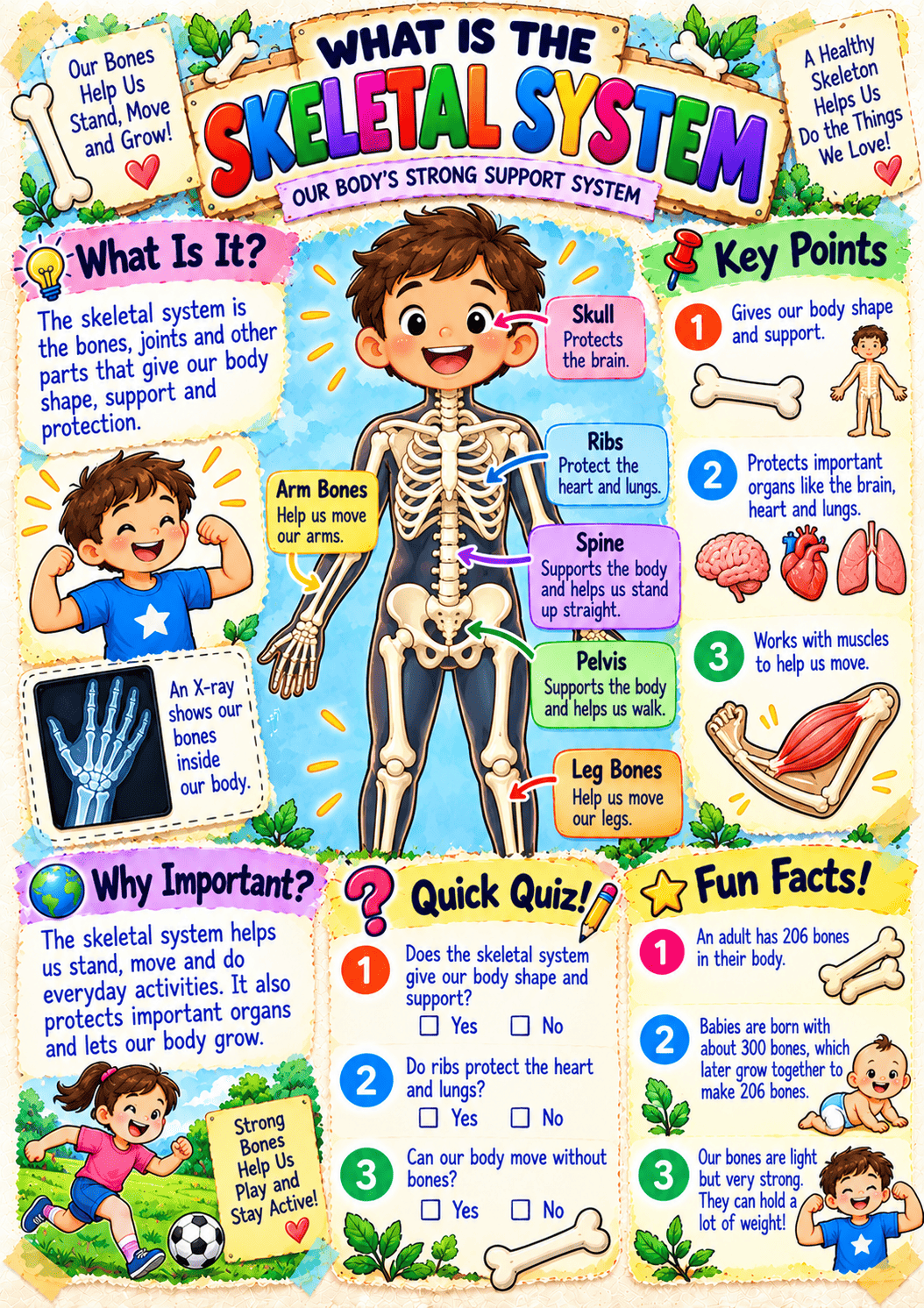
Create a fun, colorful, kid-friendly handmade-style educational poster titled "WHAT IS THE SKELETAL SYSTEM?" using an A4 vertical, 300-DPI, print-ready layout.
Use a realistic school-project aesthetic with a textured craft-paper background in soft light blue, white and cream.
Build the design from layered torn or cut paper pieces with visible tape, glue edges, soft drop shadows and slightly uneven borders.
Use clean but slightly imperfect handwritten marker-style typography, with blue, white, yellow and gray accents.
Decorate the layout with simple hand-drawn bone icons, arrows, a skeleton outline and friendly body-related doodles.
At the center, place a large white textured paper cutout containing a simple child-friendly human skeleton. Clearly label major parts such as the skull, ribs, spine, arms and legs using arrows.
Add five structured learning sections around the central illustration:
Keep the overall infographic playful, colorful, clearly organized, easy for young learners to scan and visually consistent with a handmade classroom science project.
Now Imagine Having 750 Of Them.
You don't need to begin each project staring at an empty prompt box.
Has Already Been Thought Through For You.
The collection is positioned for educational content aimed broadly at:
AGES 6–10
That makes the concept library particularly useful for creators producing resources for:
The emphasis is on making science feel visual, colorful, approachable and interesting.
You don't have to remember dozens of image-generation instructions every time you want another poster.
You don't have to decide from scratch:
All of these? Already decided for you.
That's your workflow.
Depending on your chosen AI tool, editing workflow and intended use, the prompts can help you develop concepts for:
Turn science concepts into visual explainers.
Create subject-focused visual material for walls, bulletin boards and learning spaces.
Build visual materials around science lessons.
Group related subjects into themed science packs.
Turn complicated concepts into easier-to-scan visual explanations.
Use science diagrams and information panels to support STEM topics.
Combine related visuals into larger themed collections.
Adapt generated concepts for digital learning and presentation.
And that's before you start using the bonuses…
The main vault gives you the science content foundation. These bonuses are designed to help you change the look, change the layout, showcase your creations and get more mileage from what you generate.
Give The Same Science Subject A Completely Different Visual Personality!
What happens when you love the educational concept… but want another look?
That's where this bonus comes in.
You'll get 100 style-remix prompt ideas designed to help you transform educational science graphics into different visual directions.
Experiment with looks inspired by:
…and many more.
One Science Topic. Multiple Creative Directions.
BONUS VALUE: INCLUDED FREE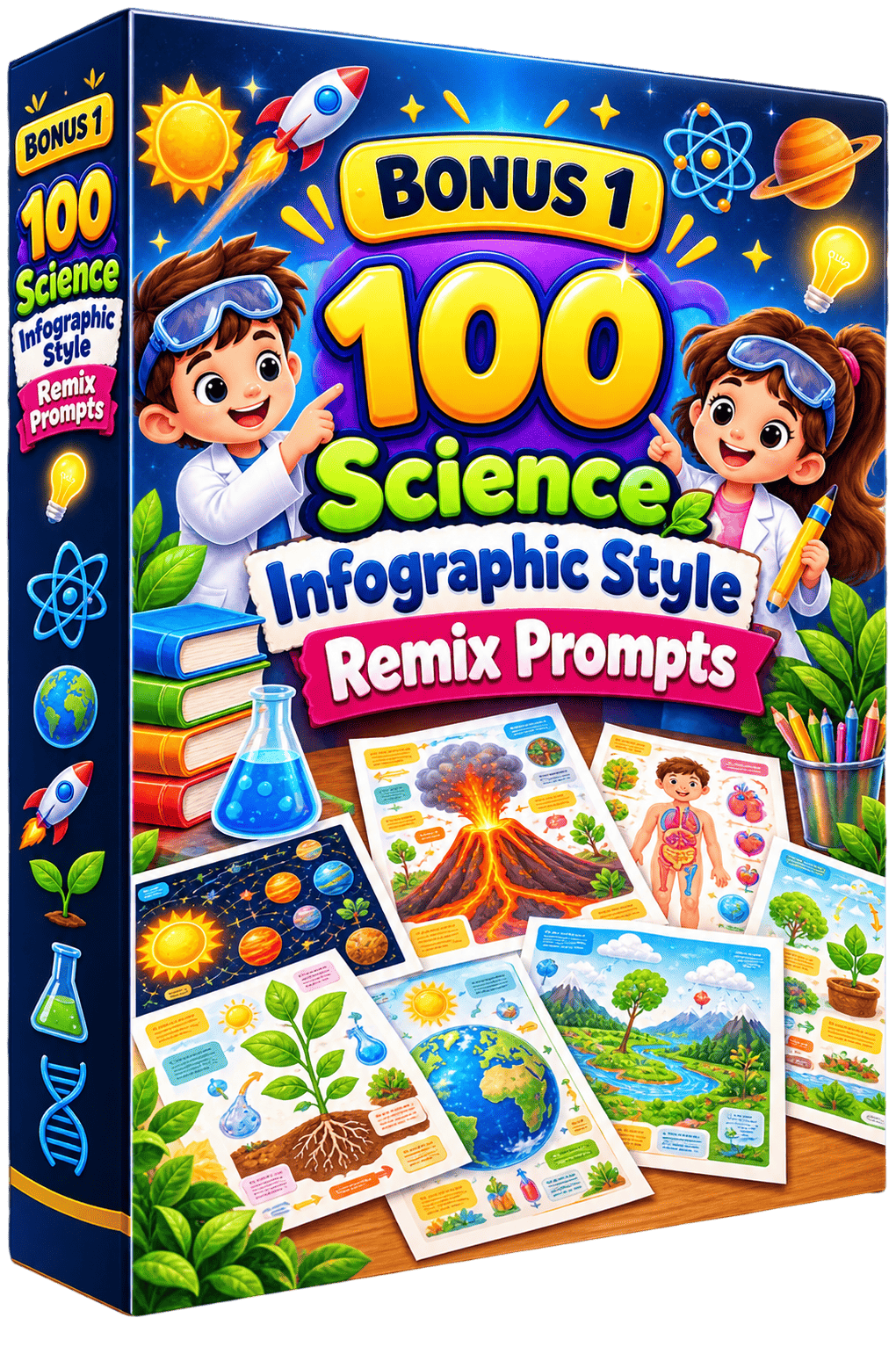
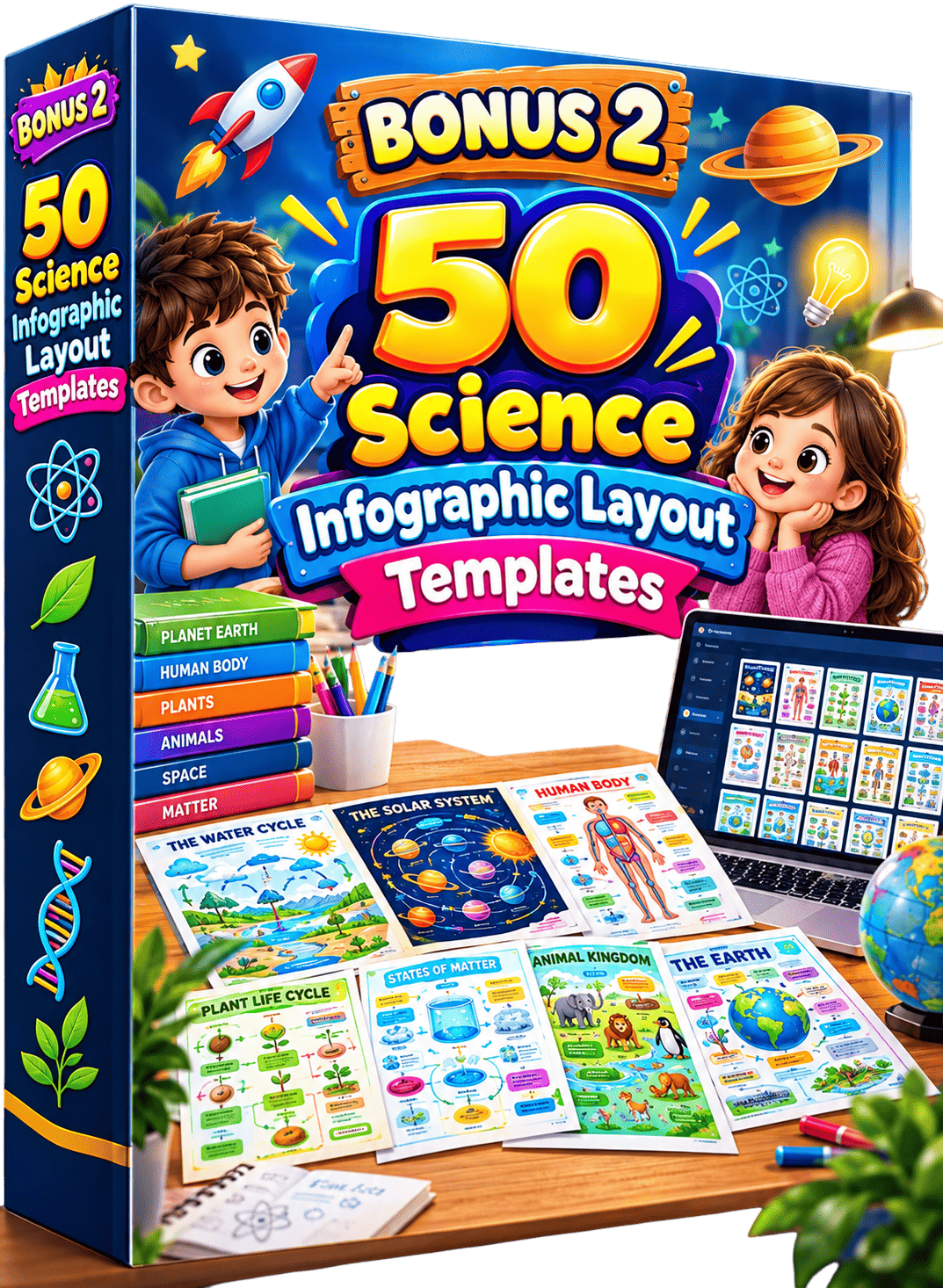
Stop Using The Same Composition Over And Over Again.
A great educational infographic isn't just about the artwork. Information architecture matters too.
This bonus gives you 50 reusable layout concepts for organizing science information.
Explore structures such as:
Use them to introduce more visual variety into your educational content.
BONUS VALUE: INCLUDED FREEDon't Just Create Your Educational Resource—Showcase It Beautifully.
Presentation matters.
This bonus gives you 100 prompt concepts for creating promotional mockups and product-display scenes around educational science resources.
Create concepts such as:
A strong mockup can help people understand what your finished resource could look like in use.
BONUS VALUE: INCLUDED FREE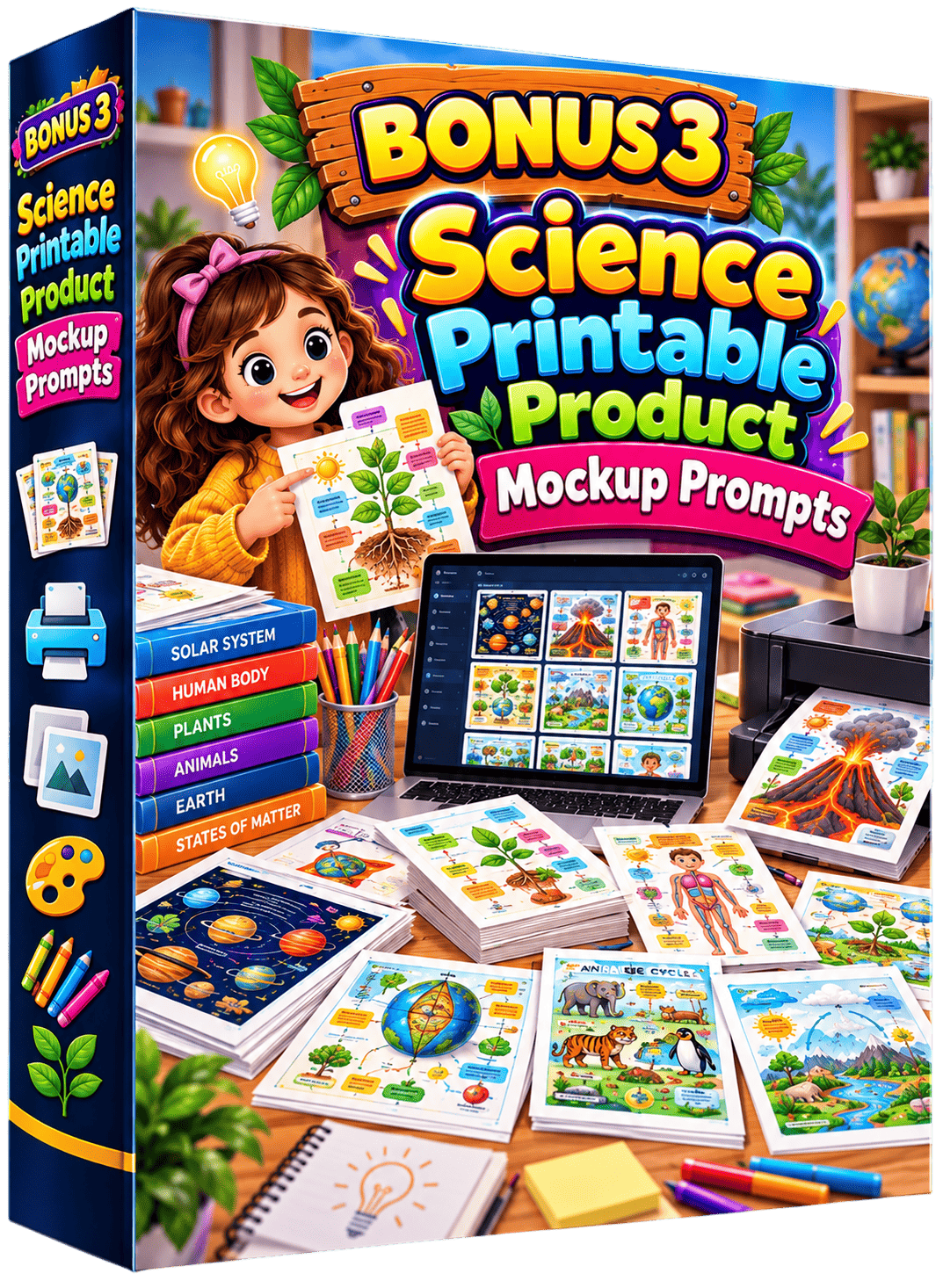
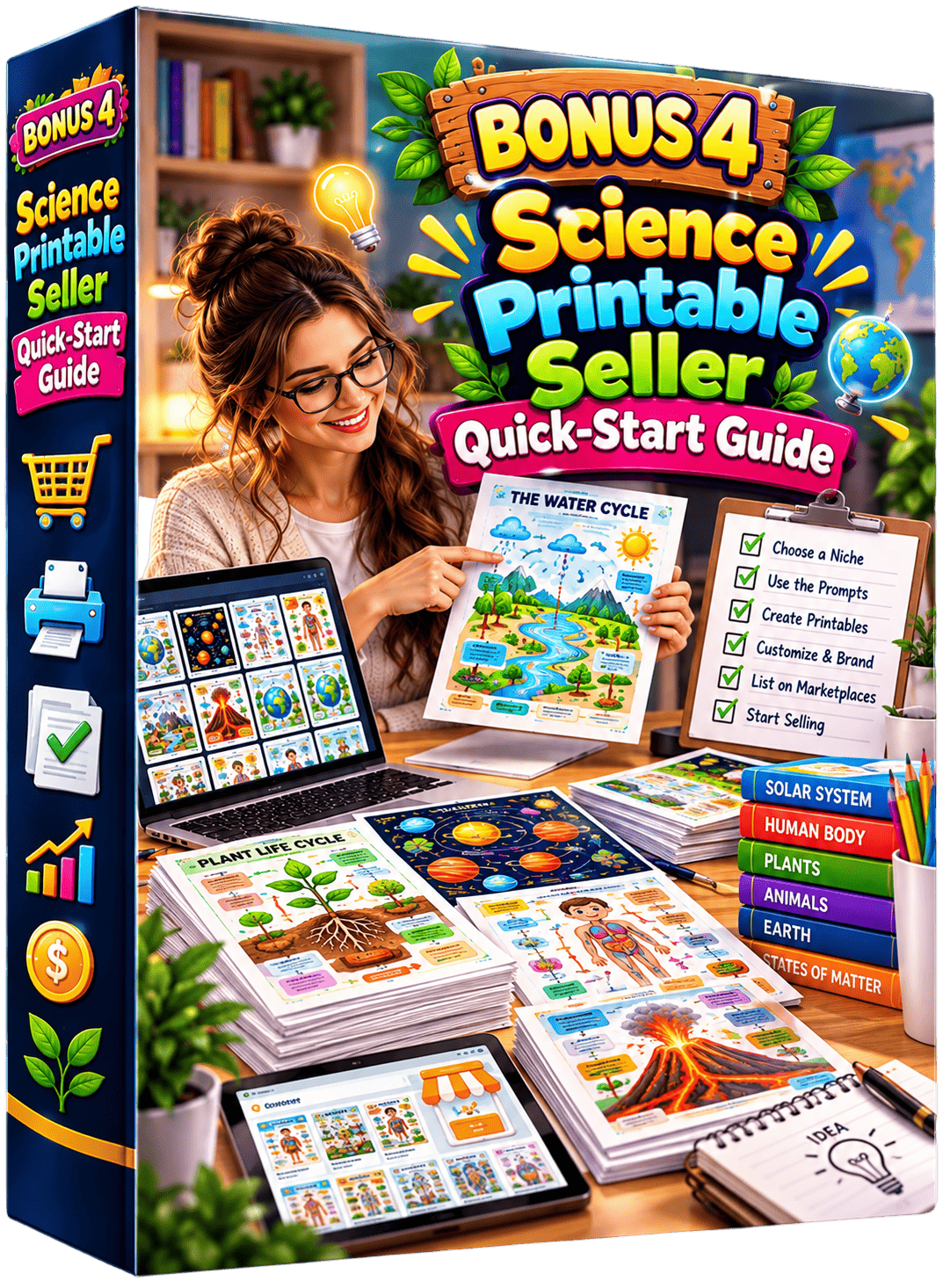
Turn Your AI-Assisted Science Creations Into Organized Educational Product Ideas.
This practical quick-start resource is designed to help you think beyond individual images.
Explore ways to organize generated content into:
You'll also get guidance for organizing your workflow from:
Topic → Prompt → Generation → Review → Editing → Organization → Presentation
So you're not simply collecting hundreds of prompts without knowing what to do next.
BONUS VALUE: INCLUDED FREESqueeze More Creative Potential From Every Science Concept.
Why stop after creating one infographic?
Take one science concept and explore ways to transform it into additional educational material.
Use these prompts to develop ideas for:
So one strong science concept can become the starting point for a broader educational content collection.
BONUS VALUE: INCLUDED FREE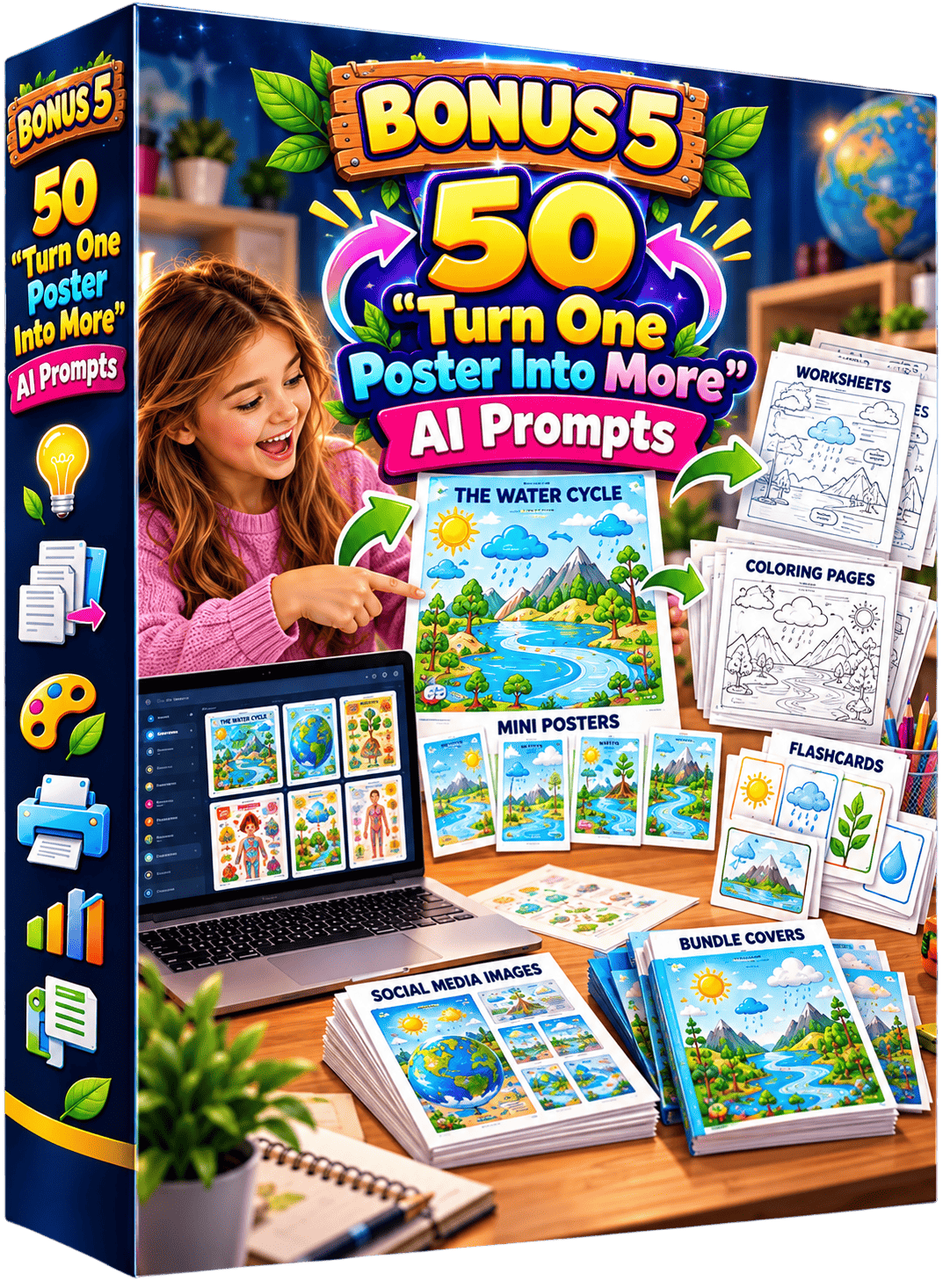
You're getting a system for going from…
All starting from one giant science prompt library.
That's exactly the repetitive preparation this vault is designed to reduce.
Whether you want to create educational visuals for teaching…
Or your own collection of visual learning assets…
You now have 750 detailed starting points waiting for you.
YES! Give Me Access To The 750 Science Infographic Prompts + All 5 Bonuses750 Detailed Prompts • Broad Science Coverage • Ages 6–10 • 5 Bonuses Included
When you get access to the Science Infographic Poster Prompt Vault, your package includes:
Covering major science areas including:
You're buying a collection of 750 detailed text prompts designed to instruct compatible AI image-generation tools to create science-themed educational infographic posters.
These are prompts—not 750 pre-rendered finished posters.
That distinction matters because the prompts give you the flexibility to generate, refine and adapt your own visuals.
No.
The individual prompts contain much more detailed generation instructions covering the subject, central illustration or diagram, page format, visual style, information sections, labels, educational explanations, facts, quiz elements and overall presentation.
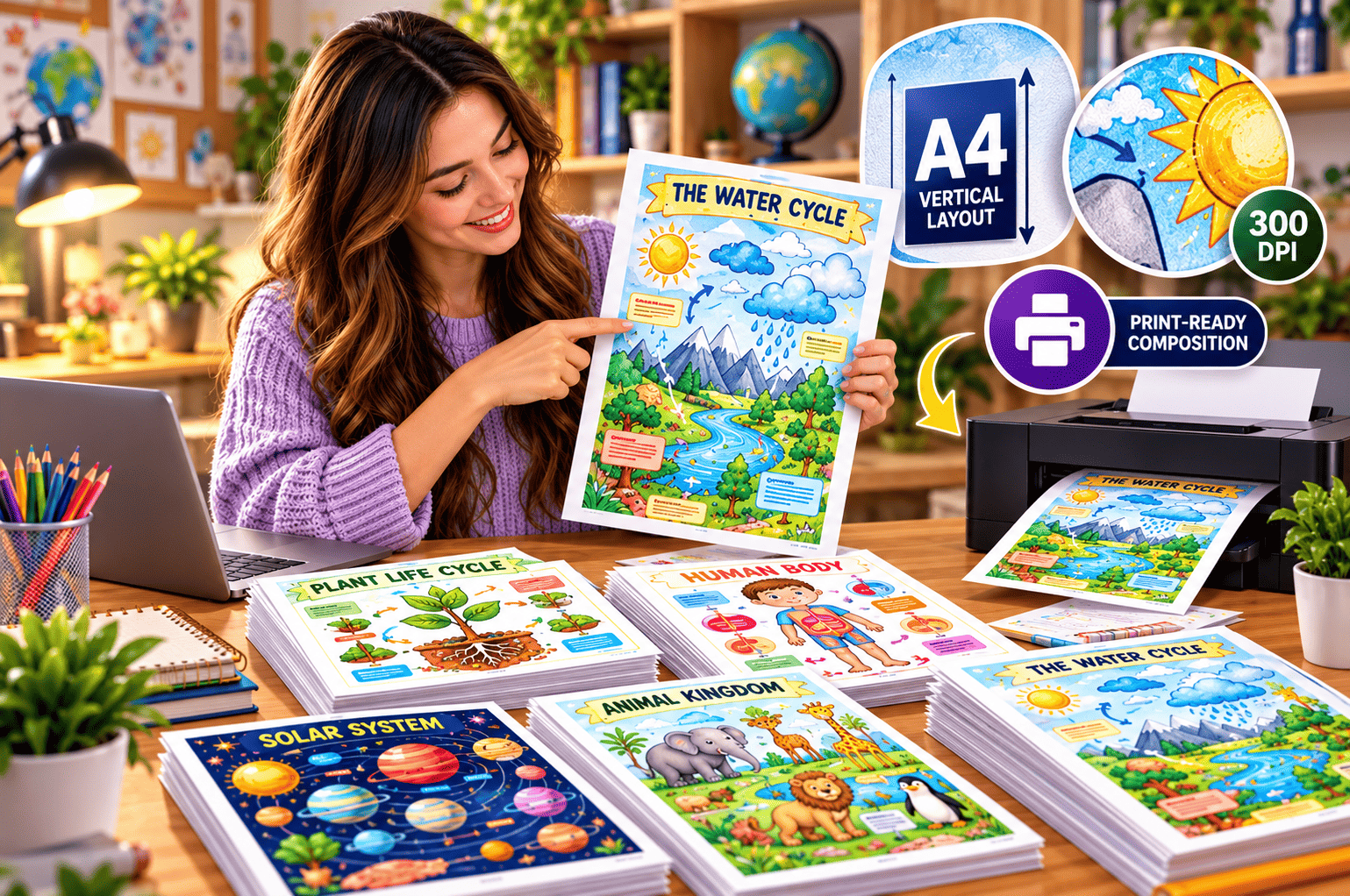
The source prompts request an A4 vertical layout at 300 DPI with a print-ready composition.
They use a distinctive handmade educational aesthetic with craft-paper textures, cut-paper elements, tape, shadows, handwritten-style headings, diagrams and organized learning panels.
The prompts can be used with ChatGPT Images/OpenAI image generation, which supports natural-language image prompting, diagrams and infographic-style educational visuals.
You can also experiment with other compatible AI image generators that accept detailed text prompts.
Results will vary between platforms.
No.
That's one of the main reasons the vault exists.
Instead of building a complex prompt from zero, you begin with a detailed prompt that's already structured around a specific science topic.
You can then modify any part of it if you want a different result.
No AI image generator can guarantee that.
Dense educational graphics can occasionally contain incorrect spelling, imperfect labels, layout issues or visual inaccuracies.
Always inspect generated educational material and make corrections where necessary before publishing, printing or giving it to learners.
Absolutely.
They're designed to give you a detailed starting point.
Change the colors. Change the visual style. Change the wording. Change the information panels. Change the layout. Change the complexity.
Or combine the core prompt with the included style and layout bonuses.
We're positioning this collection for content aimed primarily at young learners ages 6–10.
That also keeps the front-end collection aligned with the next expansion in the product line.
The vault spans major science areas including Earth and space science, physical science, life science, the human body and health, environment and conservation, with hundreds of individual topics underneath those broad areas.
The prompt concepts are particularly suited to creating visual educational resources for classroom, tutoring and homeschool environments.
As with any AI-generated educational content, the final material should be reviewed by the adult responsible for using it.
Yes.
Your package includes:
Not at all.
Think of the vault as your science-content library.
Search for the topic you need, copy that prompt and generate that particular visual.
Use five prompts. Use fifty. Or work your way through the entire collection.
The choice is yours.
Stop Starting Every Science Design From A Blank Prompt Box.
Start With A Detailed Blueprint Instead.
Get The Science Infographic Poster Prompt Vault Today750 Detailed Prompts • Broad Science Coverage • Ages 6–10 • 5 Bonuses Included